Holistic Pain Management: Local Options for Recovery

Updated: Sep 16
Table of Contents
What Is Holistic Pain Management?
Types of Chronic Pain Treated with Holistic Approaches
Non-Invasive Pain Relief Techniques for Long-Term Recovery
Holistic Recovery After Car Accident: Multidisciplinary Approaches
Top Holistic Pain Management Centers and Services
FloatWell: Advanced Wellness Technologies for Whole-Body Recovery
TriNatural Healthcare: Integrated Chiropractic and Acupuncture
Emerge Natural Health Care: Drug-Free Pain Alternatives
Foundation Body Therapy: Clinical Massage for Targeted Relief
Vancouver Naturopathic Clinic: Advanced Regenerative Therapies
How to Use HSA for Wellness Services and Pain Management
Choosing the Right Holistic Pain Management Approach
Conclusion
Last Updated: August 29, 2026
What Is Holistic Pain Management?
Holistic pain management is a comprehensive approach to treating chronic pain that addresses the physical, emotional, and neurological aspects of suffering rather than relying solely on medication. It targets root causes by combining therapeutic modalities, physical therapy, alternative medicine, lifestyle modifications, and advanced wellness technologies to restore function and improve quality of life.
Traditional pain management often focuses on symptom suppression through pharmaceuticals. Holistic approaches recognize that chronic pain involves inflammation, nervous system dysregulation, muscle tension, and psychological factors. By treating the whole person rather than isolating the pain site, patients often experience longer-lasting relief and reduced medication dependency.
At FloatWell, we understand that effective pain management requires more than a single solution. Our whole-body wellness approach combines scientifically proven recovery technologies with complementary therapies designed to address multiple dimensions of pain simultaneously. Whether you're recovering from a car accident, managing sports injuries, or dealing with chronic tension, holistic pain management offers evidence-based alternatives that work alongside conventional medical care.
Types of Chronic Pain Treated with Holistic Approaches
Holistic pain management addresses lower back pain, neck pain, shoulder tension, headaches and migraines, joint pain from arthritis or overuse, and fibromyalgia. Each condition responds differently to various therapeutic modalities, which is why a multidisciplinary approach proves effective.
Car accident injuries deserve specific attention. Motor vehicle accidents create unique pain patterns: whiplash affects the cervical spine and soft tissues, impact trauma causes inflammation throughout the body, and psychological stress compounds physical symptoms. Holistic recovery addresses all three components through soft tissue healing, nervous system regulation, and stress reduction.
Sports injuries and repetitive strain injuries respond well to targeted therapies. Runners experience knee and ankle pain; swimmers develop shoulder impingement; office workers develop chronic neck and lower back tension from prolonged sitting. Holistic approaches combine rehabilitation exercises, soft tissue therapy, and recovery technologies to restore function without extended downtime.
Chronic conditions like osteoarthritis, fibromyalgia, and neuropathic pain benefit from whole-body approaches because they involve systemic inflammation and nervous system sensitization. Rather than treating the joint or nerve in isolation, holistic management reduces overall inflammation, improves circulation, regulates pain signaling, and rebuilds functional capacity.
Non-Invasive Pain Relief Techniques for Long-Term Recovery
Non-invasive pain relief techniques form the foundation of sustainable recovery, avoiding surgical intervention and medication dependency while addressing underlying pain mechanisms.
Soft tissue therapy includes clinical massage, myofascial release, and trigger point therapy. These techniques reduce muscle tension, improve circulation, break up scar tissue, and restore proper movement patterns.
Physical therapy and rehabilitation rebuild strength, flexibility, and functional movement. A qualified physical therapist designs exercises that address specific weaknesses, correct movement dysfunction, and prevent re-injury, particularly important after car accidents where soft tissue damage requires systematic restoration of normal movement patterns.
Acupuncture and traditional Chinese medicine regulate nervous system function and reduce inflammation.
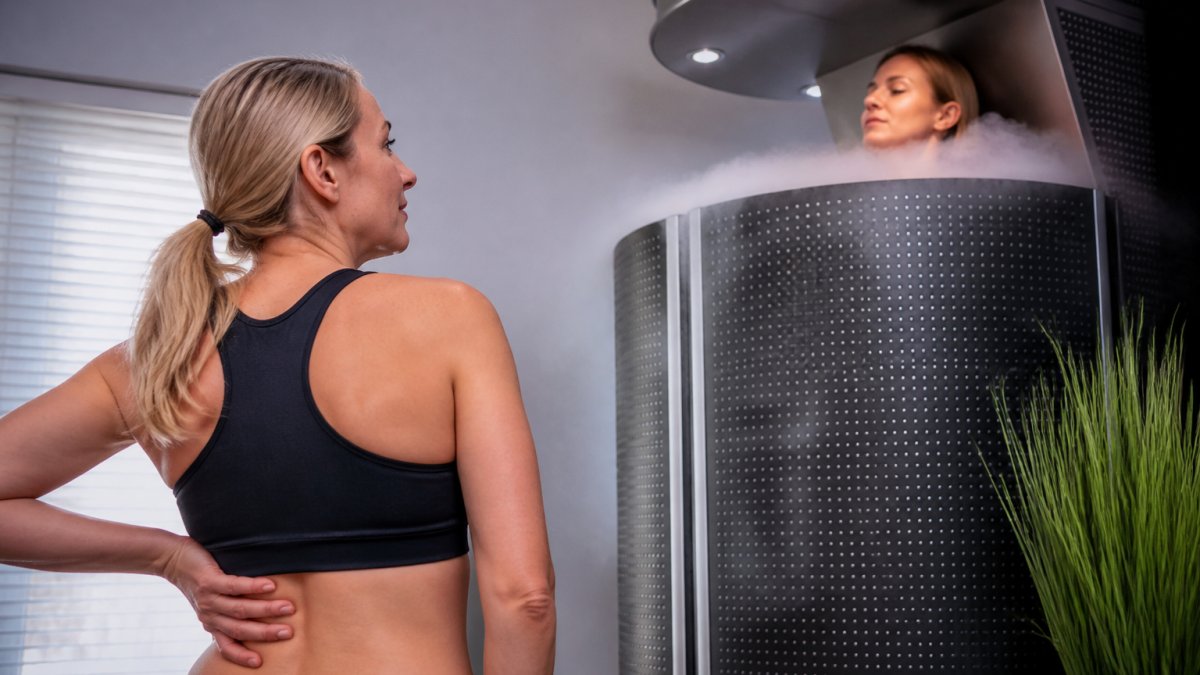
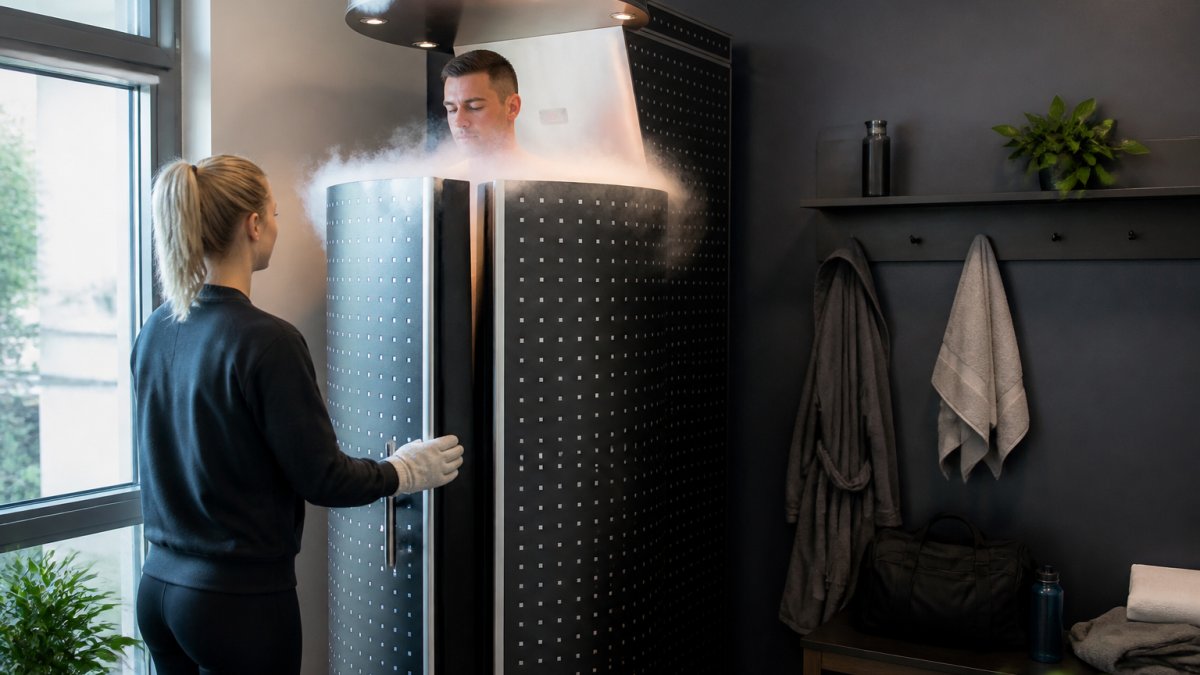
Cryotherapy and heat therapy manage inflammation through temperature regulation. Cold therapy reduces acute inflammation; heat therapy improves circulation and relaxes muscle tension. Many wellness centers, including FloatWell, offer both modalities.
Float therapy (sensory deprivation) allows the nervous system to reset by removing external stimuli. Floating in salt water reduces cortisol, decreases muscle tension, and promotes parasympathetic nervous system activation, the body's natural healing state (peer-reviewed research). This is particularly valuable for MVA recovery and chronic pain where nervous system dysregulation perpetuates pain cycles.
Red light therapy reduces inflammation at the cellular level and accelerates tissue healing. The wavelengths penetrate deep into tissues, stimulating mitochondrial function and promoting collagen production, beneficial for both acute injuries and chronic pain.
Pro Tip The most effective non-invasive approach combines 2-3 complementary techniques rather than relying on a single modality. A person recovering from a car accident might benefit from massage for soft tissue healing, acupuncture for pain modulation, and float therapy for nervous system regulation.
Holistic Recovery After Car Accident: Multidisciplinary Approaches
Car accidents trigger a cascade of physical and neurological changes extending far beyond the moment of impact. Immediately after an accident, the body enters a stress response: muscles tighten, inflammation increases, and the nervous system becomes hypervigilant. This protective mechanism, while initially necessary, can become problematic if it persists, creating chronic muscle tension, restricted movement, and nervous system dysregulation weeks or months later.

A multidisciplinary approach coordinates care across several domains: structural assessment identifies alignment issues and movement dysfunction; soft tissue treatment addresses muscle tension and scar tissue; nervous system regulation helps transition from sympathetic (stress) to parasympathetic (healing) activation; rehabilitation and strengthening rebuild functional capacity and prevent chronic pain patterns.
MVA insurance typically covers many of these services. FloatWell accepts MVA insurance billing, as do many holistic centers, reducing out-of-pocket costs. Establishing a treatment plan early is critical, waiting months after an accident often leads to chronic pain that's harder to resolve.
Watch Out Delaying treatment after a car accident is a common mistake. Many people feel relatively fine initially due to adrenaline, then develop severe symptoms weeks later when the initial inflammatory response peaks. Starting holistic recovery within the first 1-2 weeks after an accident significantly improves long-term outcomes.
Top Holistic Pain Management Centers and Services
The following centers offer evidence-based holistic pain management through different therapeutic specialties.

FloatWell: Advanced Wellness Technologies for Whole-Body Recovery
FloatWell is a comprehensive wellness facility combining float therapy, cryotherapy, infrared saunas, and red light therapy under one roof. Float therapy creates a unique neurological reset by removing external stimuli and supporting the body in salt water, allowing the nervous system to downregulate from sympathetic stress to parasympathetic healing, particularly valuable for MVA recovery. Cryotherapy reduces inflammation through controlled cold exposure. Infrared saunas improve circulation and promote detoxification. Red light therapy accelerates tissue healing and reduces chronic inflammation.
FloatWell accepts HSA cards for treatments and MVA insurance billing, removing financial barriers to consistent care. This combination of advanced technology and practical payment options makes whole-body recovery achievable for most people.
TriNatural Healthcare: Integrated Chiropractic and Acupuncture
TriNatural Healthcare offers an integrated approach combining chiropractic care, acupuncture, massage therapy, and advanced soft tissue techniques. The chiropractic component addresses structural misalignment and movement dysfunction. Acupuncture regulates nervous system function and reduces pain signaling. This combination addresses pain from multiple angles: structural alignment, nervous system regulation, and soft tissue quality.
Emerge Natural Health Care: Drug-Free Pain Alternatives
Emerge Natural Health Care specializes in alternatives to prescription pain medications, offering acupuncture, neurofeedback, massage therapy, clinical nutrition, botanicals, and supplements. Acupuncture forms the core of their pain management approach with established effectiveness for various pain types. Neurofeedback helps retrain brain wave patterns associated with pain perception and stress. The inclusion of clinical nutrition and botanical medicine addresses systemic inflammation through targeted nutrition and supplements.
Foundation Body Therapy: Clinical Massage for Targeted Relief
Foundation Body Therapy specializes in results-driven clinical massage focusing on pain relief and postural balance. Unlike relaxation-oriented massage, clinical massage targets specific dysfunctions, trigger points, myofascial restrictions, and postural imbalances with measurable outcomes. The practice offers Tui Na, trigger point therapy, deep-tissue work, and myofascial release. Foundation Body Therapy emphasizes MVA treatment, addressing the specific soft tissue injuries created by motor vehicle accidents through targeted, evidence-based techniques.
Vancouver Naturopathic Clinic: Advanced Regenerative Therapies
Vancouver Naturopathic Clinic offers advanced regenerative therapies including neural therapy, prolotherapy, myofascial trigger point therapy, whole-body hyperthermia, and advanced physical therapy. Prolotherapy stimulates the body's natural healing response by introducing mild irritation to injured tissues, triggering repair and strengthening (peer-reviewed research). Neural therapy addresses pain through nervous system modulation. The clinic's emphasis on identifying and addressing root causes distinguishes it from symptomatic treatment.
Key Takeaway Each center brings distinct strengths: FloatWell excels at technology-driven whole-body recovery with accessible payment options; TriNatural integrates structural and nervous system approaches; Emerge focuses on drug-free alternatives; Foundation specializes in clinical soft tissue work; Vancouver Naturopathic offers advanced regenerative therapies. The best choice depends on your specific pain type, recovery goals, and treatment preferences.
How to Use HSA for Wellness Services and Pain Management
Health Savings Accounts (HSAs) offer tax-advantaged ways to fund pain management and wellness services. HSAs are available to individuals enrolled in high-deductible health plans. Contributions are tax-deductible, growth is tax-free, and withdrawals for qualified medical expenses are tax-free.
Many holistic pain management services qualify for HSA coverage (irs.gov). Acupuncture, chiropractic care, massage therapy for medical purposes, and physical therapy are generally HSA-eligible when performed for treatment of a specific condition. Emerging therapies like float therapy and cryotherapy may qualify when recommended by a healthcare provider for treatment of a diagnosed condition.
The key distinction is medical necessity. Services recommended by a healthcare provider to treat a specific condition are more likely to qualify than purely elective wellness services. Keep records of the condition being treated, the provider's recommendation, and receipts showing medical necessity.
FloatWell accepts HSA cards, simplifying the payment process. For MVA insurance claims, some services may be covered by MVA insurance, others by HSA, and some might require out-of-pocket payment. Working with a center that bills multiple payment sources simplifies this coordination.
Pro Tip Before using your HSA for any wellness service, confirm with your HSA provider that the specific service qualifies. Keep detailed records including the provider's name, the condition being treated, the service description, and the date.
Choosing the Right Holistic Pain Management Approach
Selecting an effective holistic pain management strategy requires honest assessment of your specific pain type, recovery goals, and practical constraints.
Pain type matters. Acute injuries from car accidents benefit most from soft tissue therapy, nervous system regulation, and inflammation management. Chronic pain conditions often require longer-term, multidisciplinary approaches. Postural tension responds well to massage and movement-based therapies. Neuropathic pain may benefit more from acupuncture and neurofeedback.
Recovery timeline shapes your approach. Early intervention within weeks of injury often prevents chronic pain development. Established chronic pain requires more intensive, coordinated treatment. Some people see significant improvement in 4-6 weeks; others need 3-6 months of consistent care.
Your preferences and comfort level matter. Some prefer technology-based approaches; others prefer hands-on therapies. Some want a single integrated facility; others prefer coordinating care across specialists. Your willingness to commit to multiple sessions per week significantly affects which approach works best.
Financial constraints are real. While HSA cards and MVA insurance reduce costs, pricing depends on quantity, dates, and delivery. Starting with the most cost-effective modalities that address your primary pain driver often makes sense.
Start with assessment. Most holistic centers offer initial consultations to evaluate your condition and recommend treatment. A good practitioner will be honest about what they can help with and what might require additional care.
The most successful pain recovery combines 2-3 complementary approaches rather than relying on a single modality. Someone with MVA-related neck pain might benefit from massage for soft tissue healing, acupuncture for nervous system regulation, and float therapy for stress reduction.
Effective holistic pain management requires coordinated, whole-body approaches rather than isolated symptom suppression. Whether you're recovering from a car accident, managing chronic pain, or seeking to avoid medication dependency, the centers and services outlined above offer evidence-based alternatives backed by scientific support.
FloatWell combines advanced recovery technologies with practical accessibility features including HSA card acceptance and MVA insurance billing. Our whole-body approach addresses nervous system regulation, inflammation management, and cellular healing simultaneously, supporting your path to sustained recovery. Book an appointment today to experience how coordinated wellness technologies accelerate your healing.
Frequently Asked Questions
Q: What is the difference between holistic pain management and traditional pain treatment?
A: Holistic pain management addresses the whole person, body, mind, and nervous system, rather than just masking symptoms. Traditional approaches often focus on medications or isolated treatments. Holistic methods combine multiple therapies like acupuncture, soft tissue work, movement, and stress reduction to identify pain triggers and support functional recovery. Many people find this whole-body approach more sustainable for chronic pain conditions.
Q: Can I use my HSA card to pay for wellness services like float therapy or massage?
A: Yes, many wellness services qualify as HSA-eligible expenses, including massage therapy, acupuncture, and certain spa treatments when prescribed for medical purposes. However, eligibility varies by service and your specific HSA plan. FloatWell accepts HSA cards for treatments, making it easier to use pre-tax dollars for recovery. Contact your HSA provider or the wellness center directly to confirm which services are covered under your plan before booking.
Q: How long does it typically take to see results from holistic pain management treatments?
A: Results vary depending on the type of pain, the treatment modality, and your individual response. Some people experience relief after one or two sessions, while chronic conditions often require consistent treatment over weeks or months. Non-invasive therapies like acupuncture, massage, and float therapy typically show cumulative benefits with regular sessions. A qualified pain specialist can assess your condition and provide a realistic timeline during an initial consultation.
Q: Is holistic pain management covered by MVA insurance if I was injured in a car accident?
A: Many holistic treatments are covered by MVA insurance when they're part of a medically necessary recovery plan. Services like chiropractic care, massage therapy, and acupuncture are often included. FloatWell bills MVA insurance directly for qualifying treatments, which simplifies the process. Coverage depends on your specific policy and the provider's participation. Contact your insurance company and the wellness center to confirm coverage before starting treatment.
Book an Appointment
This article was written using GrandRanker

Comments