Does Cryotherapy Help With Chronic Pain Management

Table of Contents
What Cryotherapy Is and How It Works for Pain
Cold Therapy for Pain Relief: Mechanisms and Effects
Conditions Where Cryotherapy May Help Chronic Pain
Whole-Body Cryotherapy Benefits and Risks You Should Know
How Long Does Cryotherapy Pain Relief Last
Cryotherapy vs Infrared Sauna for Pain Management
Safe At-Home Cold Therapy and When to Seek Professional Treatment
Realistic Expectations: What Cryotherapy Can and Cannot Do
Frequently Asked Questions
Last Updated: October 20, 2026
What Cryotherapy Is and How It Works for Pain
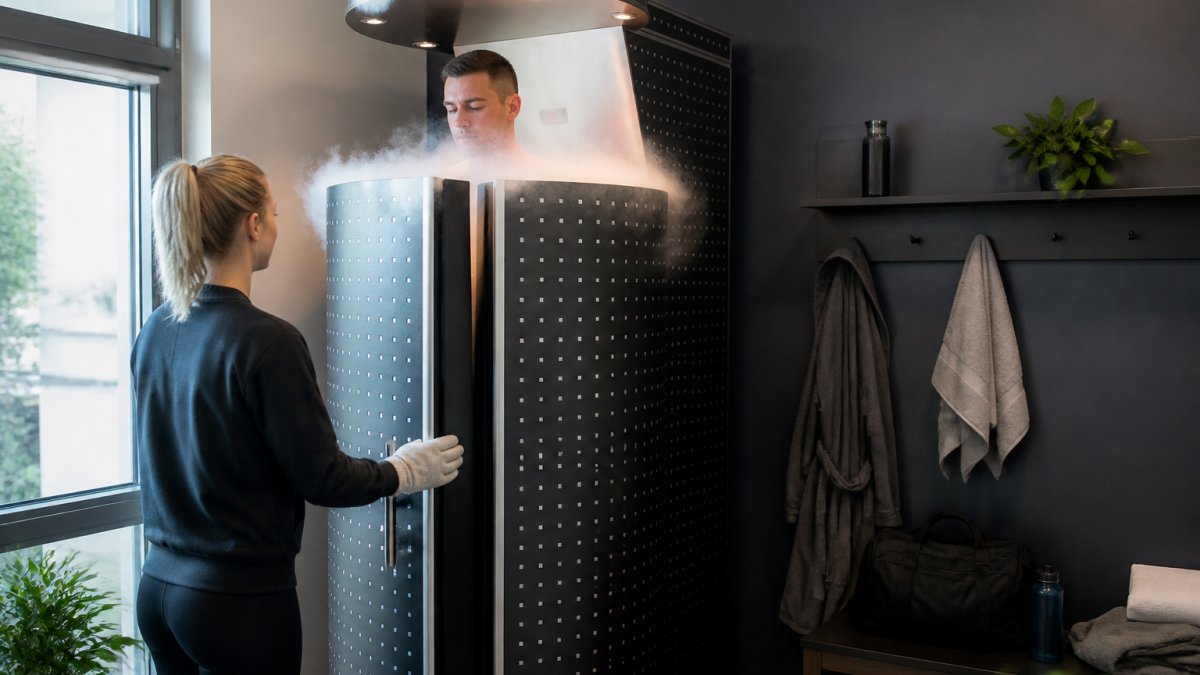
Cryotherapy applies extreme cold to body areas using ice packs, gel packs, or specialized chambers. Some facilities offer whole-body cryotherapy, where you stand in a chamber cooled to very low temperatures for a few minutes. (Source: the gate control theory of pain)
Cold reduces nerve activity and slows blood flow to the treated area, providing immediate numbing relief. Many people use ice packs at home after injuries; others visit clinics for more intensive sessions.
Does cryotherapy help with chronic pain management? The answer is nuanced: cold therapy can reduce pain in some situations, but it's not a cure-all.
At FloatWell, we combine cryotherapy with float therapy and infrared saunas.
Cold Therapy for Pain Relief: Mechanisms and Effects
When cold touches your skin, nerve endings send signals that interrupt pain signals traveling the same pathways, producing temporary relief within minutes. This is the gate control theory of pain.
Cold also reduces inflammation and swelling. When tissues are damaged, fluid and immune cells cause swelling that increases pain; cold slows this response and reduces pressure on nerves and tissues.
Cold constricts blood vessels; when you warm up, blood rushes back bringing oxygen and nutrients, a cycle that may support tissue repair over time.
However, relief is typically temporary, once you warm up, pain often returns.
Conditions Where Cryotherapy May Help Chronic Pain
Cold therapy is not one treatment. Local cold, ice packs, gel packs, cold-compression devices, and ice massage, has a long, well-established role in acute injury and post-surgical swelling. Whole-body cryotherapy (WBCT), where you stand in a chamber cooled to roughly −110°F to −220°F for 2-3 minutes, is a different intervention with a thinner and more mixed evidence base.
What the evidence supports most clearly
Acute soft-tissue injury and post-operative swelling. Local cold is a standard first-line adjunct in the first 48-72 hours after sprains, strains, and many orthopedic procedures. The goal is to limit swelling and take the edge off pain, not to speed tissue healing.
Delayed-onset muscle soreness (DOMS). Cold-water immersion and local ice commonly reduce soreness in the 24-72 hours after unaccustomed exercise. Effects are modest and short-lived.
Knee and hip osteoarthritis. Local cold packs are frequently used for flare-ups. Evidence suggests small, short-term improvements in pain and function; it is not disease-modifying.
Low back pain. Cold is often used in the first days after an acute strain. For chronic low back pain, evidence for cold as a standalone treatment is weak; it works best as one part of a multimodal plan.
Where the evidence is thinner or mixed
Whole-body cryotherapy for chronic musculoskeletal pain. Reviews of WBCT for conditions such as fibromyalgia, chronic low back pain, and inflammatory arthritis report inconsistent results and small studies. Some patients report meaningful relief; others do not. It is reasonable to view WBCT as an experimental or adjunctive option rather than an established chronic pain treatment.
Nerve-related pain (neuropathy, radiculopathy). Responses vary widely. Some people get relief from local cold; others find cold aggravates burning or shooting pain. There is no reliable way to predict your response without a cautious trial.
Fibromyalgia and centralized pain. Cold exposure may help some patients with widespread pain, but the evidence is low quality and the risk of cold intolerance is real.
Key Takeaway Local cold has the strongest evidence for acute injury, post-surgical swelling, DOMS, and osteoarthritis flare-ups. Whole-body cryotherapy for chronic pain is promising for some patients but not firmly established. Treat any chronic-pain claim for WBCT as provisional.
A practical way to think about fit
Ask three questions before starting:
Is the pain localized or widespread? Localized joint or muscle pain is a better match for local cold. Widespread or centralized pain is a harder case and may need a broader plan.
Is there active swelling or inflammation? If yes, cold is more likely to help. If the pain is primarily stiffness or muscle tension without swelling, heat may be the better first choice.
How do you respond to a single cautious trial? A 15-20 minute ice pack or one supervised WBCT session is enough to learn whether cold helps you or aggravates your pain. Track pain before and after.
Cold therapy is an adjunct, not a cure. It can lower pain enough to let you move, sleep, or participate in physical therapy, and that downstream effect is often where the real value lies. If pain persists beyond 2-3 weeks, worsens, or comes with numbness, weakness, or loss of function, get a clinical evaluation rather than relying on cold alone.
Whole-Body Cryotherapy Benefits and Risks You Should Know
Whole-body cryotherapy exposes your entire body to extreme cold in a specialized chamber. Sessions typically last 2-3 minutes. The intense cold triggers a systemic response throughout your body.
Proponents claim benefits for recovery, pain relief, and athletic performance, theorizing that extreme cold activates healing systems more effectively than localized ice.
However, risks exist: frostbite can occur if skin is exposed too long, and some people experience dizziness, headache, or increased heart rate. The extreme cold may be dangerous for people with certain health conditions.
Safety precautions are essential. Reputable facilities require medical screening, provide protective gear on extremities, and carefully time and monitor sessions.
Potential risks of whole-body cryotherapy:
Frostbite or skin damage
Increased blood pressure
Dizziness or disorientation
Increased heart rate
Potential danger for people with heart conditions or high blood pressure
Who should avoid whole-body cryotherapy:
People with uncontrolled high blood pressure
Those with heart conditions or arrhythmias
Individuals with cold sensitivity or Raynaud's syndrome
Pregnant women
People with severe claustrophobia
How Long Does Cryotherapy Pain Relief Last
The duration of pain relief varies significantly. Localized cold therapy from an ice pack typically provides relief for 1-2 hours, with individual response differing based on injury type and pain sensitivity.
Whole-body cryotherapy effects are harder to predict: some athletes report relief for several days, others notice effects wear off within hours. Regular sessions may provide cumulative benefits, though research is still developing.
Chronic pain management requires ongoing treatment. A single session rarely provides lasting relief, so many people use cold therapy as a maintenance tool alongside physical therapy, exercise, and other strategies.
Frequency matters. Your provider can recommend a schedule based on your condition and goals.
Cold therapy provides temporary relief and is most effective combined with other treatments. At FloatWell, we can discuss whether cryotherapy alone or combined with float therapy and infrared sauna makes sense for your situation.
Cryotherapy vs Infrared Sauna for Pain Management
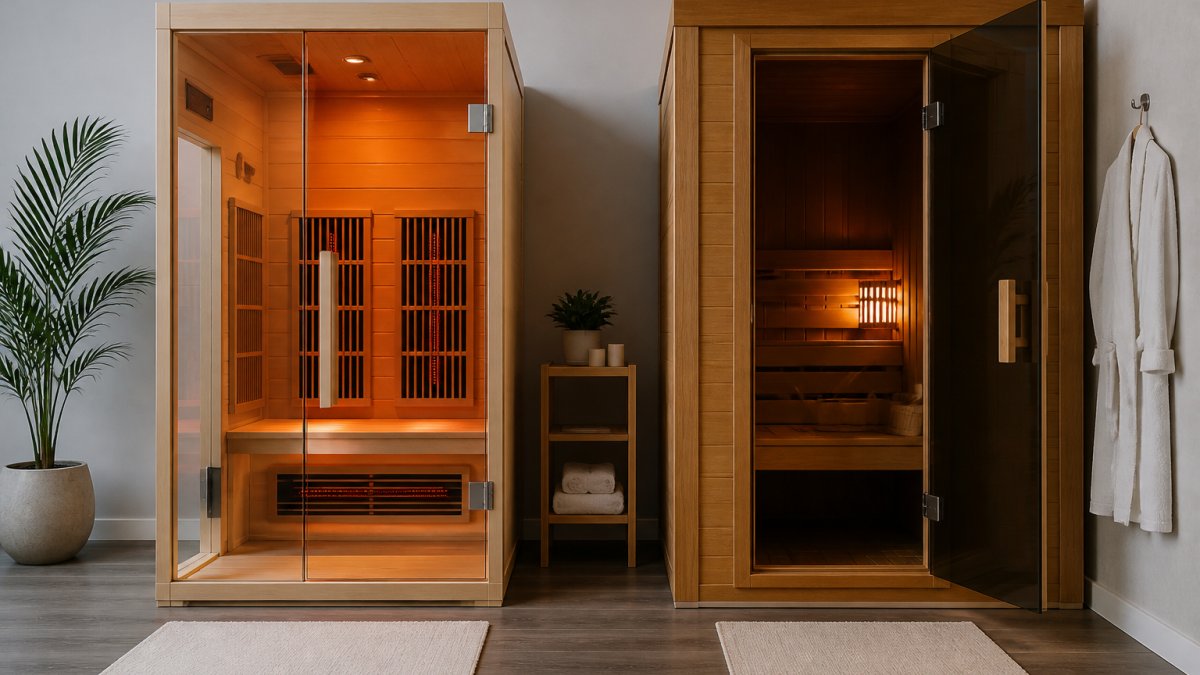
Cold and heat are opposites, yet both can reduce pain. Cryotherapy uses extreme cold; infrared saunas use gentle heat. Understanding the difference helps you choose the right tool.
Cold therapy reduces inflammation and numbs pain quickly, working best for acute injuries and swelling. Heat therapy increases blood flow and relaxes muscles, working better for chronic stiffness and muscle tension.
Cold therapy is better for:
Recent injuries with swelling
Acute inflammation
Immediate pain relief
Post-workout soreness in first 48 hours
Infrared sauna is better for:
Chronic muscle tension
Stiffness and reduced range of motion
Stress and mental fatigue
Long-term pain management
Many people benefit from alternating: use cold immediately after an injury, then switch to heat for ongoing recovery once the acute phase passes.
At FloatWell, we offer both modalities. Your pain type and recovery goals determine which approach makes sense, and our team can discuss a personalized plan with you.
Safe At-Home Cold Therapy and When to Seek Professional Treatment
Home cold therapy is safe for most people when you protect the skin, limit application time, and know the warning signs. The two most common mistakes are applying cold directly to bare skin and leaving it on too long.

The core rules
Always put a barrier between cold and skin. A thin towel, pillowcase, or the manufacturer's wrap is enough. Never apply ice or a gel pack directly to bare skin.
Apply for 15-20 minutes at a time (Is it time to put traditional cold therapy in rehabilitation of soft-tissue injuries out...). Set a timer. Longer is not better and increases the risk of cold injury.
Wait at least 1-2 hours between applications. Let the skin return to normal temperature and color before reapplying. Most people can safely treat an area 3-4 times per day.
Check the skin every few minutes. Stop if the area turns white, waxy, hard, or numb, these are early signs of cold injury.
Do not use cold on an area with poor circulation, numbness, or open wounds unless a clinician has cleared it.
Watch Out Stop cold therapy and seek medical advice if you see white, gray, or blistered skin, persistent numbness or tingling, or if pain increases rather than decreases after treatment.
Who should be cautious or avoid cold therapy
People with Raynaud's phenomenon or cold sensitivity
People with peripheral neuropathy or reduced sensation (you may not feel a cold injury developing)
People with poor circulation or peripheral vascular disease
People with open wounds, skin infections, or severe dermatitis in the treatment area
People with uncontrolled high blood pressure or certain heart conditions, especially for whole-body cryotherapy
Pregnant women, for whole-body cryotherapy
If any of these apply, talk to a clinician before starting, and prefer supervised clinical treatment over home use.
When to seek professional treatment
Pain persists beyond 2-3 weeks despite rest and home cold therapy
Swelling does not decrease or increases
Pain worsens, or new numbness, weakness, or tingling appears
Range of motion significantly decreases
You are unsure whether cold or heat is appropriate
You have a suspected fracture, torn ligament, or severe injury
A clinician can assess whether cryotherapy makes sense, rule out serious injury, and recommend physical therapy or other treatments. For whole-body cryotherapy, choose a facility that screens for contraindications, provides protective footwear and gloves, monitors sessions, and has staff trained to respond to adverse events.
Pro Tip Track your response: note pain level (0-10), function, and duration of relief before and after each session. A simple log helps you and your clinician decide whether cold therapy is worth continuing.
Realistic Expectations: What Cryotherapy Can and Cannot Do
Cryotherapy is a pain management tool, not a cure. It reduces symptoms temporarily and does not heal injuries faster or reverse chronic conditions permanently.
Cryotherapy cannot replace medical treatment for serious injuries.
For chronic pain, cryotherapy works best as part of a comprehensive approach combining physical therapy, exercise, stress management, and sometimes medication.
Results vary between individuals, age, pain type, overall health, and other factors influence response, which is why personalized assessment matters before starting treatment.
What cryotherapy can do:
Reduce acute pain and swelling
Numb localized pain temporarily
Support recovery from minor injuries
Complement other pain management strategies
What cryotherapy cannot do:
Cure chronic pain permanently
Replace medical treatment for serious injuries
Work equally for all people
Provide lasting relief without ongoing use
Address underlying causes of pain
The key is realistic expectations. Use cold therapy strategically within a broader pain management plan, combined with movement, stress reduction, and professional guidance.
Managing chronic pain requires patience and strategic planning. At FloatWell, we specialize in comprehensive recovery combining cryotherapy with float therapy, infrared saunas, and red light therapy.
Frequently Asked Questions
Does cryotherapy actually help with chronic pain?
Cryotherapy may reduce chronic pain by lowering skin and tissue temperature, which numbs pain signals and reduces inflammation. Evidence varies by condition, acute injuries and musculoskeletal pain show more consistent relief than some chronic conditions. Results depend on the type of pain, treatment frequency, and individual response. A qualified provider can assess whether cryotherapy fits your specific situation and expected outcomes.
How long does cryotherapy pain relief last after a session?
Pain relief from a single cryotherapy session typically lasts hours to a few days, depending on the condition and individual response. Chronic pain management usually requires repeated sessions. Consistent treatment over weeks may produce longer-lasting benefits, but effects are not permanent and typically require ongoing sessions to maintain results.
What are the risks and side effects of whole-body cryotherapy?
Common side effects include temporary numbness, tingling, and skin redness. Serious risks are rare but include frostbite, nerve damage, and cardiovascular stress if exposure is too long or temperature too extreme. Contraindications include cold sensitivity, uncontrolled high blood pressure, and certain heart conditions. Always inform your provider of medical conditions, medications, and previous adverse reactions before treatment.
Should I use cryotherapy or infrared sauna for chronic pain?
Cryotherapy reduces pain and inflammation through cold exposure and numbing; infrared saunas promote relaxation, blood flow, and muscle recovery through heat. Cold therapy suits acute inflammation and immediate pain relief, while heat therapy works better for muscle tension and circulation. Many people benefit from both, cold for flare-ups, heat for recovery. Your provider can recommend the best approach based on your condition, pain type, and treatment goals.
Book an Appointment

Comments