Whole-Body Cryotherapy for Athletes: Benefits and Evidence

Table of Contents
What Whole-Body Cryotherapy Is and How a Session Works
Does Cryotherapy Reduce Muscle Soreness After Training
Athletic Recovery, Inflammation, and Exercise-Induced Damage
How Long Should You Do Whole-Body Cryotherapy Sessions
Whole-Body Cryotherapy vs Ice Bath: Which Works Better
Cryotherapy for Athletes: Benefits, Risks, and Safety Considerations
Evidence Quality and What the Research Actually Shows
Practical Recovery Protocols for Different Sports and Training Schedules
Frequently Asked Questions
Last Updated: October 19, 2026
What Whole-Body Cryotherapy Is and How a Session Works
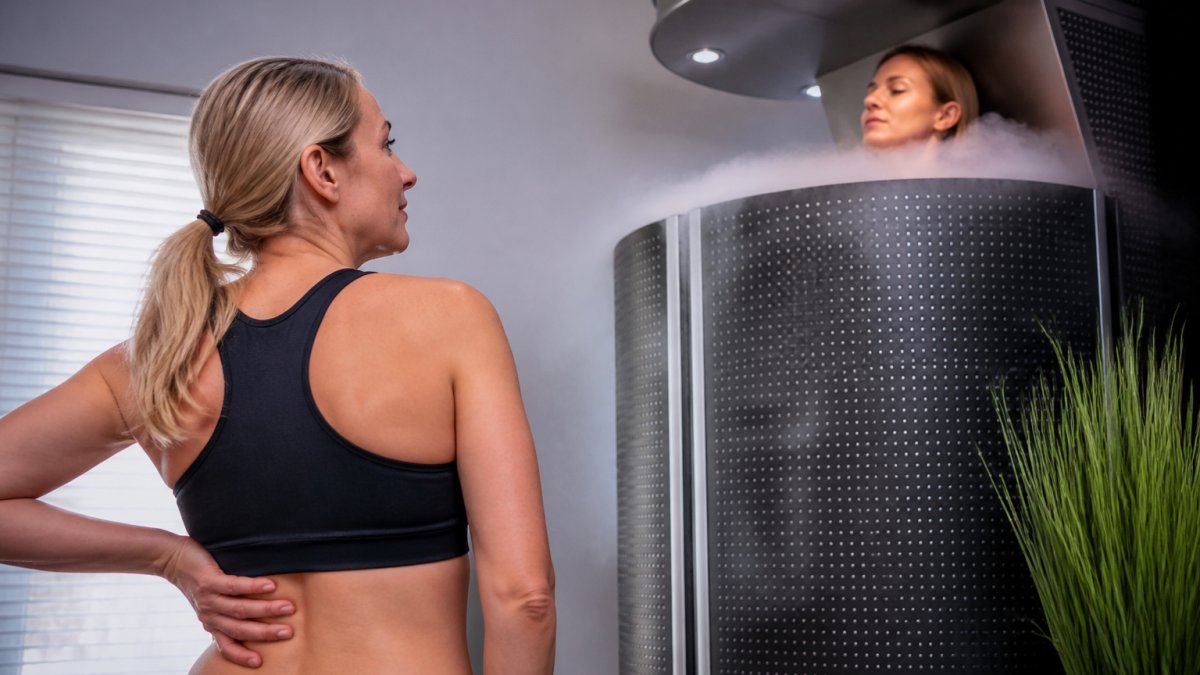
Whole-body cryotherapy exposes the body to extremely cold air in a specialized chamber to trigger physiological responses, making it increasingly popular among whole-body cryotherapy athletes. The extreme cold activates the body's natural cooling mechanisms without freezing tissue, as exposure time is carefully controlled to prevent injury. (Source: a review published in the Journal of Strength and Conditioning Research)

Rapid skin cooling triggers a systemic response: blood vessels constrict in the cold, then dilate when you exit the chamber. This vascular response is believed to support recovery by increasing circulation and delivering oxygen-rich blood to muscles. Many athletes report tingling during the session and brief warmth afterward as blood flow returns to normal.
At FloatWell, we guide clients through proper whole-body cryotherapy protocols to ensure safety and maximize recovery benefits. Unlike ice baths, you're exposed to dry cold air rather than water immersion, so there's no direct ice contact and no wet recovery period afterward.
Does Cryotherapy Reduce Muscle Soreness After Training
Whether whole-body cryotherapy actually reduces muscle soreness is more nuanced than marketing claims suggest. Delayed-onset muscle soreness (DOMS) typically peaks 24-48 hours after intense exercise, caused by microscopic muscle fiber damage and the inflammatory response that follows. Some athletes report reduced soreness after cryotherapy; others notice minimal difference.
The evidence is mixed. Several small studies found cold exposure can temporarily reduce pain perception and may decrease inflammation markers short term. However, research hasn't consistently shown cryotherapy prevents or significantly shortens DOMS compared to other recovery methods. What matters most is noticing whether it works for your body and training style.
Inflammation isn't purely negative; it's part of the adaptation process that makes you stronger, so completely suppressing it could theoretically interfere with the training effect. Evidence quality matters here: most cryotherapy studies are small, use different protocols, and measure different outcomes, making firm conclusions about soreness reduction difficult.
Athletic Recovery, Inflammation, and Exercise-Induced Damage
Athletic recovery involves multiple systems repairing tissue damage and restoring readiness. Hard training creates microscopic muscle fiber tears and triggers an inflammatory cascade that is actually necessary, signaling the body to repair and strengthen tissues. The question isn't whether inflammation is bad, but whether reducing it at the right time supports or hinders recovery.
Whole-body cryotherapy may help with pain and swelling from exercise-induced tissue damage, particularly in the first 24 hours after training, since cold constricts blood vessels and temporarily reduces swelling. However, long-term strength and endurance gains depend partly on that inflammatory response, so suppressing it too aggressively might blunt the training effect.
This is the gap most guides miss: cryotherapy might feel good and reduce acute discomfort, but feeling better isn't the same as recovering faster for your next session. Some research suggests alternating cold and heat (contrast therapy) may be more effective than cold alone, since temperature shifts stimulate circulation more than either alone. At FloatWell, we recommend understanding your own recovery patterns before committing to frequent sessions.
How Long Should You Do Whole-Body Cryotherapy Sessions
The standard whole-body cryotherapy session lasts 2-3 minutes at extreme cold. This duration is based on safety protocols designed to prevent skin damage and systemic cold stress; sessions longer than 3 minutes offer no additional benefit and increase adverse-effect risk. Most facilities, including FloatWell, stick to this evidence-based window.
Frequency matters more than duration for most athletes. Many practitioners recommend starting with 1-2 sessions per week and adjusting based on response. Some athletes use cryotherapy after particularly intense sessions; others follow a regular schedule regardless of intensity. Optimal frequency depends on training volume, recovery capacity, and how your body responds.
Cryotherapy is most effective used consistently as part of a broader recovery strategy, not as an occasional treatment. If you're considering whole-body cryotherapy athletes should plan a 4-6 week trial at a consistent frequency, tracking subjective soreness, sleep quality, and training performance to gather real data on whether it's working for you.
Whole-Body Cryotherapy vs Ice Bath: Which Works Better
Both whole-body cryotherapy and ice baths expose the body to extreme cold, but delivery creates important practical differences. Ice baths require full-body immersion in water around 50-59 degrees Fahrenheit for 10-15 minutes; whole-body cryotherapy uses dry air at -200 to -300 degrees for 2-3 minutes. Cryotherapy is shorter and doesn't leave you wet, which many athletes prefer.
The physiological response differs slightly. Ice baths create sustained, intense cold that penetrates deeper into tissue, while cryotherapy creates rapid surface cooling that triggers a systemic vascular response. Some research suggests ice baths may be more effective for acute swelling reduction, particularly immediately after injury. Cryotherapy's advantage is speed and comfort.
In practice, the choice comes down to access, preference, and schedule. Ice baths are cheaper and need only a tub and ice; whole-body cryotherapy requires a facility with the equipment. Both show similar short-term pain reduction in most studies. The "better" option is whichever you'll use consistently without friction. At FloatWell, we offer whole-body cryotherapy as part of a comprehensive recovery approach, allowing you to combine it with other therapies like float therapy and infrared saunas based on your specific needs.
Cryotherapy for Athletes: Benefits, Risks, and Safety Considerations
Potential benefits of whole-body cryotherapy for athletes include temporary pain reduction, decreased swelling, improved circulation, and subjective reports of faster recovery. Some also report improved mental focus and mood after sessions, possibly from endorphin release and the brief stress response.
Risks are real but manageable with proper protocols. Extreme cold can cause frostbite if skin is exposed too long, though this is rare in controlled chambers. Some people experience temporary numbness, tingling, or increased blood pressure.
Screening before your first session matters. Disclose any history of cold sensitivity, cardiovascular conditions, uncontrolled high blood pressure, or recent injuries to facility staff, since certain medications and conditions increase adverse-effect risk.
Watch Out Stop a session immediately and tell staff if you feel burning, stinging, numbness that doesn't fade, dizziness, shortness of breath, chest discomfort, or a sudden headache. These are not normal "cold" sensations and warrant a medical check before your next session.
What most guides skip is the practical screening conversation. Before your first session, expect questions about cardiovascular history, blood pressure control, cold allergy or Raynaud's phenomenon, pregnancy, claustrophobia, and open wounds or skin conditions. Facilities following conservative protocols will ask you to consult a physician first if you have uncontrolled hypertension, a history of heart attack or stroke, or a known cold-related condition. This isn't gatekeeping; it's the same risk-management approach sports medicine uses for any thermal therapy.
Think about safety in tiers. Low-risk athletes are generally healthy, have no cardiovascular or cold-sensitivity history, and tolerate brief cold exposure well. Moderate-risk athletes have controlled conditions or medications affecting blood pressure or circulation and should get medical clearance first.
At FloatWell, we walk every athlete through this screening before their first session and document it so subsequent visits are faster. The goal is not to scare athletes away from cryotherapy but to make sure the people who use it are the people most likely to benefit without added risk.
Evidence Quality and What the Research Actually Shows
Research on whole-body cryotherapy for athletes exists but has significant limitations most marketing materials don't mention. Most studies are small, often fewer than 30 participants, and use different protocols, temperatures, durations, and frequencies, making comparison difficult.
Evidence quality is highest for short-term pain reduction and swelling decrease: reasonable evidence shows cold exposure reduces acute pain perception and can decrease inflammatory markers in the hours after exposure. Evidence is weaker for faster recovery time, improved athletic performance, or long-term training adaptations.
What's missing is long-term follow-up. We lack strong data on whether regular cryotherapy users perform better over a season, and on the potential downside of regularly suppressing the inflammatory response interfering with training adaptations.
Key Takeaway Separate what is reasonably established from what is preliminary. Established: brief cold exposure can temporarily reduce pain perception and lower some inflammatory markers shortly after exercise. Preliminary or mixed: faster return to performance, reduced DOMS duration, and improved long-term recovery. Anecdotal: mood, focus, and "feeling recovered" claims that are real for individuals but not well quantified in research.
The training-adaptation trade-off is what most recovery marketing ignores. Muscle growth and endurance adaptations depend partly on inflammatory and cellular-stress signals after hard training. Routinely blunting those signals with cold exposure immediately after every session may reduce short-term soreness while also reducing the adaptive stimulus. The implication isn't "avoid cryotherapy" but "use it strategically": reserve it for periods when recovery speed matters more than adaptation, such as competition blocks or back-to-back games, and space it away from key strength or hypertrophy sessions.
A second gap is objective tracking. Most claims rely on how athletes feel, which is valid but incomplete.
At FloatWell, we encourage athletes to treat cryotherapy as one variable in a recovery program they can actually measure, not as a proven performance enhancer. That framing is more honest than most marketing and more useful for athletes making real training decisions.
Practical Recovery Protocols for Different Sports and Training Schedules
Recovery needs vary by sport. Endurance athletes like distance runners and cyclists benefit most from strategies that reduce inflammation and support cardiovascular recovery. Strength athletes need protocols supporting muscle repair and nervous system recovery.
Endurance athletes might use whole-body cryotherapy 1-2 times per week during heavy training blocks, typically within a few hours after long efforts, to help manage accumulated fatigue and systemic inflammation from high volume. Combine it with adequate sleep, protein- and carbohydrate-focused nutrition, and active recovery days.
Strength athletes might use cryotherapy after heavy lifting when soreness is significant, but less frequently overall since strength training relies more on rest days and sleep for adaptation; 2-3 times weekly during intense phases could support recovery without interfering with strength adaptation.
The most important principle: cryotherapy should complement, not replace, recovery fundamentals. Sleep is non-negotiable. Nutrition, especially protein and carbohydrates for refueling, matters more than any single recovery tool. Hydration and stress management support recovery as much as any therapy.
Recovery from intense training demands a thoughtful approach. If you're looking to optimize your athletic recovery, FloatWell provides access to whole-body cryotherapy alongside other evidence-based recovery modalities like float therapy and infrared saunas.
Frequently Asked Questions
Does whole-body cryotherapy actually reduce muscle soreness after intense training?
Research on cryotherapy and muscle soreness shows mixed results. Some studies indicate that whole-body cryotherapy may help reduce delayed-onset muscle soreness (DOMS) when used within hours after exercise, particularly in athletes doing high-volume training. However, other research finds the effect modest or comparable to simpler methods like ice baths. The timing and frequency of sessions matter, single sessions show less benefit than repeated exposure over several days of training. Consult a sports medicine professional to determine if cryotherapy fits your specific recovery needs.
How long should a whole-body cryotherapy session last for athletic recovery?
Standard whole-body cryotherapy sessions typically last 2 to 3 minutes, with most athletes using 2.5 minutes as the standard duration. Sessions longer than 3 minutes do not appear to provide additional benefit and increase the risk of skin irritation or adverse reactions. Recovery athletes often repeat sessions 2 to 3 times per week during heavy training blocks. Always follow facility guidelines and consult a healthcare provider before starting, especially if you have circulatory conditions or cold sensitivity.
Is whole-body cryotherapy safer and more effective than an ice bath for recovery?
Whole-body cryotherapy exposes your entire body to extreme cold (around -200°F) for a short time, while ice baths require immersion in cold water (typically 50-60°F) for 10-15 minutes. Cryotherapy sessions are faster and more tolerable for many athletes. Both methods trigger similar physiological responses: reduced inflammation, decreased pain signaling, and increased blood flow during rewarming. Ice baths are more accessible and lower cost. Cryotherapy may be preferable if you have difficulty tolerating prolonged cold or need quick recovery between events. Neither method is universally superior, choice depends on your tolerance, access, and training schedule.
What are the main risks and side effects of whole-body cryotherapy for athletes?
Common side effects include temporary skin redness, numbness, or tingling that resolves within hours. Rare serious risks include frostbite, ice burns, or respiratory irritation if proper protocols are not followed. Cryotherapy is not recommended for individuals with uncontrolled high blood pressure, severe claustrophobia, cold urticaria (allergic reaction to cold), or active infections. Always inform your provider of any circulatory conditions, neuropathy, or medications before starting. Facilities should screen clients and provide clear safety instructions. If you experience prolonged numbness, severe pain, or difficulty breathing, seek immediate medical attention.
Book an Appointment
Comments