Cryotherapy vs Infrared Sauna for Pain

Updated: Sep 16
Table of Contents
Cryotherapy vs Infrared Sauna: Side-by-Side Comparison
How Cryotherapy Works for Pain Relief
How Infrared Sauna Therapy Works for Pain Management
Benefits of Whole Body Cryotherapy
How Long Should I Use Infrared Sauna for Optimal Results
Is Cryotherapy Covered by Insurance
Choosing Between Cold and Heat Therapy for Your Pain
Last Updated: August 25, 2026
Cryotherapy vs Infrared Sauna: Side-by-Side Comparison
When you're dealing with chronic pain, muscle soreness, or inflammation, two therapies dominate the conversation: whole body cryotherapy and infrared sauna. Both claim to accelerate recovery, reduce pain, and improve circulation. The question isn't whether they work, it's which one actually works better for your specific situation.
At FloatWell, we offer a comprehensive range of services, including float therapy, cryotherapy, infrared saunas, and red light therapy, designed to support your path to optimal health. The truth is neither therapy is universally superior. Cryotherapy excels at immediate inflammation reduction through vasoconstriction, while infrared sauna works through sustained vasodilation and deep tissue penetration. Your pain type, recovery timeline, and personal tolerance determine which belongs in your routine.
Here's what separates them: cryotherapy shocks your system into a controlled stress response, triggering metabolic acceleration and endorphin release. Infrared sauna does the opposite, it gently elevates core temperature, promoting parasympathetic nervous system activation and sustained cellular repair. One is a sprint; the other is a sustained effort.
Aspect | Cryotherapy | Infrared Sauna |
Primary Mechanism | Vasoconstriction, reduced inflammation | Vasodilation, improved circulation |
Session Duration | 2-4 minutes | 30-45 minutes |
Best For | Acute injury, post-workout soreness | Chronic pain, muscle stiffness |
Immediate Effect | Cold shock, pain numbing | Gradual warmth, relaxation |
Recovery Focus | Swelling reduction | Tissue oxygenation |
Ideal Frequency | 2-3x weekly | 3-5x weekly |
How Cryotherapy Works for Pain Relief
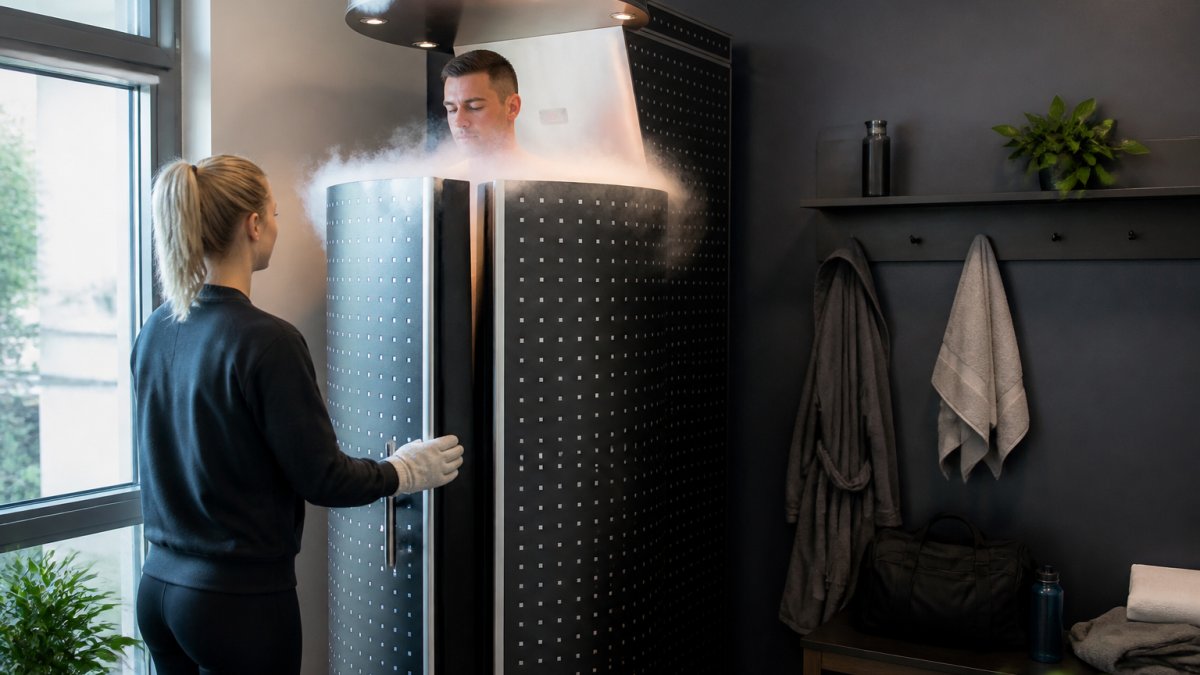
Whole body cryotherapy exposes your skin to temperatures around -120°C for 2-4 minutes, triggering an immediate physiological cascade (peer-reviewed research). Your body responds by constricting blood vessels near the surface (vasoconstriction), which reduces blood flow to inflamed areas and suppresses inflammatory cytokines. This isn't numbing, it's active inflammation suppression.

The mechanism works in three phases. First, the extreme cold triggers sympathetic nervous system activation, causing immediate vasoconstriction and reducing swelling. Second, once you exit the chamber, your body rapidly rewarms, triggering reactive vasodilation. Blood rushes back to tissues carrying fresh oxygen and nutrients, this is where cellular repair accelerates. Third, your body releases endorphins and norepinephrine, natural pain-blocking chemicals that can provide relief for hours post-session.
For acute injuries, a sprained ankle, post-workout DOMS, or fresh surgical recovery, this response is exactly what you need. The inflammatory response that causes pain and swelling gets interrupted before it spirals. Athletes report reduced delayed onset muscle soreness when they use cryotherapy within 2 hours of intense training (peer-reviewed research).
The catch: cryotherapy doesn't address chronic pain patterns. If your pain stems from sustained muscle tension, poor circulation, or long-term inflammatory conditions like arthritis, the brief cold exposure provides temporary relief but doesn't resolve the underlying issue. You're treating the symptom, not the cause.
FloatWell's whole body cryotherapy uses controlled electric cooling without liquid nitrogen, making sessions safer and more predictable. Sessions are guided by trained staff who monitor your response and adjust duration based on your comfort and pain type. For those recovering from car accidents or sports injuries, this precision matters, you're not guessing whether you're getting therapeutic cold or just uncomfortable cold.
How Infrared Sauna Therapy Works for Pain Management
Infrared sauna operates on a completely different principle. Rather than shocking your system, it uses infrared radiation to penetrate skin and muscle tissue directly, warming you from the inside out. Your core temperature rises gradually, triggering sustained vasodilation, the opposite of cryotherapy's vasoconstriction.

This sustained heat triggers three key responses. First, blood vessels dilate, improving circulation and oxygen delivery to tissues. Second, heat activates heat shock proteins, which repair damaged cells and reduce oxidative stress. Third, the parasympathetic nervous system activates, your body shifts into rest-and-recover mode, lowering cortisol and promoting genuine relaxation.
For chronic pain, this matters enormously. Muscle stiffness, joint inflammation, and tension-based pain all respond to improved circulation and sustained warmth. Conditions like fibromyalgia, arthritis, and chronic muscle tension see real improvement with regular infrared sauna use because the therapy addresses circulation and tissue oxygenation, not just immediate swelling.
The infrared spectrum matters here. Near-infrared penetrates shallow tissues, mid-infrared reaches deeper muscle layers, and far-infrared provides whole-body warmth. FloatWell's infrared sauna uses all three spectra. Sessions typically run 30-45 minutes, long enough for your core temperature to rise and sustained vasodilation to take effect.
Unlike cryotherapy's immediate response, infrared sauna's benefits accumulate. One session feels good. Three sessions weekly for four weeks produces measurable improvements in pain scores and mobility. This is why infrared sauna works better for long-term pain management than acute injury recovery.
Benefits of Whole Body Cryotherapy
Whole body cryotherapy delivers specific, measurable benefits when used strategically. The immediate inflammation reduction is the most obvious advantage, swelling decreases visibly within hours. For athletes managing training load, this means faster recovery between intense sessions and reduced delayed onset muscle soreness.
Beyond inflammation, cryotherapy triggers metabolic acceleration. Your body burns calories rewarding itself for surviving extreme cold. This metabolic spike can persist for hours post-session, contributing to improved energy and circulation. Many users report enhanced mental clarity and mood elevation from endorphin and norepinephrine release, not placebo, but genuine neurochemical response.
Pain relief through cryotherapy is immediate but temporary. You get 4-6 hours of reduced pain sensitivity from the cold shock and endorphin release. For acute injuries or post-workout soreness, this window is valuable, it lets you move more freely, perform physical therapy exercises, and prevent compensatory pain patterns.
The contraindications matter here. Cryotherapy isn't suitable for everyone. Cold exposure can trigger dangerous responses in people with certain cardiovascular conditions, severe hypertension, or Raynaud's syndrome. Pregnancy, fever, and uncontrolled diabetes also contraindicate whole body exposure. This is why FloatWell's trained staff screen every client and adjust protocols based on individual health status.
Cryotherapy also works exceptionally well when combined with other therapies. The inflammatory suppression from cold exposure pairs beautifully with targeted physical therapy or red light therapy. Many clients use cryotherapy immediately post-injury, then transition to infrared sauna for sustained recovery once acute inflammation subsides.
How Long Should I Use Infrared Sauna for Optimal Results
The ideal infrared sauna session length depends on your experience level and pain condition. Beginners should start with 20-30 minutes at lower temperatures to allow your body to acclimate. As your tolerance builds, you can extend sessions to 40-45 minutes, which is the sweet spot for sustained vasodilation and cellular repair.
For chronic pain management, session frequency matters more than individual session length. Three to five sessions weekly produces measurable improvements in pain scores, flexibility, and sleep quality (peer-reviewed research). One session per week provides maintenance benefits but doesn't drive meaningful change in chronic conditions. Two sessions weekly sits in the middle, helpful for active recovery but less effective for pain management than more frequent use.
Temperature tolerance varies significantly. Most therapeutic infrared saunas operate between 120-150°F. Starting at the lower end (120-130°F) lets your cardiovascular system adapt without excessive stress. As you become comfortable, you can increase temperature while maintaining the same session duration. Never push into temperatures that cause dizziness, nausea, or extreme discomfort, these are signs your body needs recovery time.
The time-of-day question matters for sleep-related pain. Infrared sauna sessions in the morning or early afternoon provide energy and pain relief throughout the day. Evening sessions (within 2-3 hours of bedtime) can improve sleep quality for some people but may overstimulate others. If insomnia or nighttime pain is your primary concern, test both timing windows and track your sleep quality.
Hydration during and after sessions is non-negotiable. You'll lose fluids through perspiration, and dehydration reduces the therapeutic benefit. Drink water before entering, and replenish afterward. Many users find that consistent infrared sauna use improves their baseline hydration status and circulation over weeks, amplifying pain relief benefits.
FloatWell's infrared saunas include customizable heat settings and cooling face fans, letting you dial in the exact experience your body needs. Staff can recommend optimal duration based on your pain condition, recovery timeline, and individual tolerance.
Is Cryotherapy Covered by Insurance
Insurance coverage for cryotherapy varies dramatically by carrier and policy type. Most standard health insurance plans classify whole body cryotherapy as an elective wellness treatment rather than a medical necessity, meaning they don't cover it. However, coverage exceptions exist in specific situations.
If your pain stems from a documented injury covered under your policy, particularly car accident recovery or work-related injury, you may have coverage. This is where MVA insurance becomes relevant. If you're recovering from a motor vehicle accident, your MVA claim may cover cryotherapy sessions as part of rehabilitation, especially if a physician prescribes it as part of your recovery protocol.
The key word is "prescribed." Cryotherapy that your doctor recommends for specific therapeutic purposes has a better chance of insurance consideration than cryotherapy you pursue independently for general wellness. Documentation matters enormously. Your provider needs medical justification: acute inflammation, delayed onset muscle soreness from documented injury, or specific rehabilitation protocol.
HSA and FSA cards offer another pathway. Many insurance plans allow you to use Health Savings Accounts or Flexible Spending Accounts for cryotherapy if it's deemed medically necessary. FloatWell accepts HSA cards for both cryotherapy and infrared sauna sessions, giving you a tax-advantaged way to pay if your plan permits it.
The honest answer: call your insurance carrier and ask specifically. Mention your diagnosis, any related injuries, and whether your provider has recommended cryotherapy. Insurance representatives can tell you whether your policy covers it. Don't assume "no" based on general wellness classification, exceptions exist, and documentation from your healthcare provider strengthens your case significantly.
For MVA recovery specifically, FloatWell handles MVA insurance billing directly. We manage the claim submission and documentation, removing the administrative burden from you. If your policy covers rehabilitation services, we work with your insurer to maximize your coverage.
Choosing Between Cold and Heat Therapy for Your Pain
The decision between cryotherapy and infrared sauna comes down to your pain type, timeline, and recovery goals. Start by identifying whether your pain is acute or chronic.
Acute pain, fresh injury, post-workout soreness, recent surgery, favors cryotherapy. The inflammation reduction and swelling control are exactly what acute injuries need. Use cryotherapy in the first 48-72 hours post-injury, 2-3 times weekly, to suppress inflammatory cascade and accelerate early healing. Once acute inflammation subsides, transition to infrared sauna for sustained tissue repair and circulation improvement.
Chronic pain, arthritis, fibromyalgia, tension-based muscle pain, long-term injury recovery, favors infrared sauna. Your pain isn't driven by acute inflammation but by poor circulation, tissue stiffness, and sustained muscle tension. Infrared sauna's vasodilation and sustained warmth address these root causes. Use it 3-5 times weekly for measurable improvement in pain scores and mobility.
Many people benefit from both, used strategically. Athletes often use cryotherapy immediately post-training to manage soreness, then infrared sauna the next day for sustained recovery and circulation. Someone recovering from a car accident might use cryotherapy for the first two weeks post-injury, then shift to infrared sauna for the subsequent recovery phase. This contrast therapy, alternating cold and heat, can produce better results than either alone.
Consider your personal tolerance. Some people find extreme cold triggering or uncomfortable. Others find sustained heat claustrophobic or overstimulating. Your subjective experience matters. A therapy you'll actually use consistently beats a theoretically superior therapy you avoid because it feels wrong.
Cost-benefit analysis matters too. FloatWell offers both services. If you're choosing between cryotherapy and infrared sauna based on frequency you can sustain, pick the one you'll actually use 3+ times weekly. Consistency beats occasional high-intensity therapy every time.
Your pain location also guides the choice. Localized pain in a specific joint or muscle area responds well to FloatWell's localized cryotherapy option, targeted cold exposure to the exact problem area. Whole-body pain, systemic inflammation, or widespread muscle tension benefits from full-body infrared sauna exposure.
The evidence is clear: both cryotherapy and infrared sauna work for pain relief, but they work through different mechanisms and timelines. At FloatWell, we help you navigate this decision through consultation with our trained staff, who understand your specific pain condition and can recommend the optimal protocol. Whether you're recovering from a car accident, managing chronic pain, or optimizing athletic recovery, we offer both therapies with HSA card acceptance and MVA insurance billing to make advanced pain relief accessible. Book an appointment to discuss your pain type and recovery goals with our team.
=== FAQ ANSWERS (audit these too, same rules) ===
[1] Q: Can infrared sauna help with nerve pain? A: Infrared sauna may help manage nerve pain through improved circulation and reduced inflammation. The radiant heat penetrates tissue, promoting vasodilation and increasing blood flow to affected areas. This can reduce pain signaling and muscle tension associated with nerve-related discomfort. However, consult a healthcare provider before starting sauna therapy, especially for chronic nerve pain, to ensure it's appropriate for your specific condition.
[2] Q: Is cryotherapy covered by insurance? A: Coverage for cryotherapy varies significantly by insurance plan and the reason for treatment. Some plans may cover it if prescribed for specific medical conditions, while others classify it as wellness and don't cover it. If you're recovering from a car accident, MVA insurance may cover cryotherapy as part of rehabilitation. Contact your insurance provider directly to verify coverage, and ask about HSA card eligibility, which allows tax-advantaged payment for qualified wellness treatments.
[3] Q: How long should I use an infrared sauna session? A: Most infrared sauna sessions last 20-45 minutes, with 30 minutes being a common starting point. First-time users should begin with shorter sessions (15-20 minutes) to allow the body to accustom to the heat. Session length depends on your tolerance, the therapeutic temperature, and your specific health goals. A wellness professional can recommend the ideal duration for your situation, especially if you're managing pain or recovering from injury.
[4] Q: What are the main benefits of whole body cryotherapy? A: Whole body cryotherapy exposes your body to sub-zero temperatures for 2-4 minutes, triggering vasoconstriction followed by vasodilation. This process reduces systemic inflammation, decreases pain signaling, and boosts endorphin release for natural pain relief. Athletes and those with chronic pain often use it for faster muscle recovery, reduced delayed onset muscle soreness (DOMS), and improved joint mobility. The cold exposure also activates the parasympathetic nervous system, supporting stress reduction and recovery.
[5] Q: Should I use cryotherapy or infrared sauna first if combining both? A: If combining both therapies, start with cryotherapy to trigger initial vasoconstriction and reduce inflammation, then follow with infrared sauna to promote vasodilation and enhance circulation. This contrast therapy maximizes blood flow benefits and tissue oxygenation. Allow 15-30 minutes between sessions for your body to stabilize. A wellness professional at your facility can guide the timing and duration based on your pain condition and recovery goals.
Frequently Asked Questions
Q: Can infrared sauna help with nerve pain?
A: Infrared sauna may help manage nerve pain through improved circulation and reduced inflammation. The radiant heat penetrates tissue, promoting vasodilation and increasing blood flow to affected areas. This can reduce pain signaling and muscle tension associated with nerve-related discomfort. However, consult a healthcare provider before starting sauna therapy, especially for chronic nerve pain, to ensure it's appropriate for your specific condition.
Q: Is cryotherapy covered by insurance?
A: Coverage for cryotherapy varies significantly by insurance plan and the reason for treatment. Some plans may cover it if prescribed for specific medical conditions, while others classify it as wellness and don't cover it. If you're recovering from a car accident, MVA insurance may cover cryotherapy as part of rehabilitation. Contact your insurance provider directly to verify coverage, and ask about HSA card eligibility, which allows tax-advantaged payment for qualified wellness treatments.
Q: How long should I use an infrared sauna session?
A: Most infrared sauna sessions last 20-45 minutes, with 30 minutes being a common starting point. First-time users should begin with shorter sessions (15-20 minutes) to allow the body to accustom to the heat. Session length depends on your tolerance, the therapeutic temperature, and your specific health goals. A wellness professional can recommend the ideal duration for your situation, especially if you're managing pain or recovering from injury.
Q: What are the main benefits of whole body cryotherapy?
A: Whole body cryotherapy exposes your body to sub-zero temperatures for 2-4 minutes, triggering vasoconstriction followed by vasodilation. This process reduces systemic inflammation, decreases pain signaling, and boosts endorphin release for natural pain relief. Athletes and those with chronic pain often use it for faster muscle recovery, reduced delayed onset muscle soreness (DOMS), and improved joint mobility. The cold exposure also activates the parasympathetic nervous system, supporting stress reduction and recovery.
Q: Should I use cryotherapy or infrared sauna first if combining both?
A: If combining both therapies, start with cryotherapy to trigger initial vasoconstriction and reduce inflammation, then follow with infrared sauna to promote vasodilation and enhance circulation. This contrast therapy maximizes blood flow benefits and tissue oxygenation. Allow 15-30 minutes between sessions for your body to stabilize. A wellness professional at your facility can guide the timing and duration based on your pain condition and recovery goals.
Book an Appointment
This article was written using GrandRanker


Comments