Best Wellness Centers for Stress Relief

Updated: Sep 16
Table of Contents
Quick Comparison: Top Wellness Centers for Stress Relief
FloatWell: Comprehensive Recovery Through Advanced Technologies
Benefits of Float Therapy for Anxiety and Stress
Wellness Center Payment Options and Insurance Coverage
Recovery Spa Services for Burnout: What to Expect
How to Choose the Right Wellness Center for Your Needs
Conclusion: Finding Your Path to Stress Relief
Frequently Asked Questions
Last Updated: September 1, 2026
Quick Comparison: Top Wellness Centers for Stress Relief
Finding the right wellness center for stress relief means matching your specific needs, whether recovery from injury, burnout relief, or anxiety management, with facilities that deliver results. The landscape has evolved from purely luxury spa experiences into clinically-informed wellness spaces combining evidence-based therapies with advanced recovery technologies.
FloatWell stands apart by bundling multiple therapeutic modalities under one roof: float therapy, cryotherapy, infrared saunas, and red light therapy. Critically, FloatWell accepts HSA cards and bills MVA insurance directly for those recovering from car accidents, a practical advantage that significantly reduces out-of-pocket costs.
Wellness Center | Key Services | Payment Options | Best For |
FloatWell | Float therapy, cryotherapy, infrared sauna, red light therapy | HSA cards, MVA insurance billing | MVA recovery, comprehensive whole-body wellness |
Hand & Stone Massage and Facial Spa | Massage therapy, facials, body treatments | Membership, per-session pricing | Relaxation and skincare maintenance |
Elements Massage Salmon Creek | Therapeutic massage, deep tissue, sports massage | Membership, per-session pricing | Muscle tension and recovery-focused massage |
Vancouver Wellness Studio | Counseling, EMDR, infrared sauna, IV therapy | Per-session pricing | Integrated mental health and physical wellness |
True REST Float Spa | Float therapy in sensory deprivation pods | Per-session and membership | Deep relaxation and stress reduction |
Key Takeaway The best wellness center for stress relief depends on whether you need targeted recovery (like MVA rehabilitation), general stress management, or integrated mental and physical wellness. FloatWell's combination of advanced technologies and insurance flexibility makes it a strong choice for many recovery scenarios.
FloatWell: Comprehensive Recovery Through Advanced Technologies
FloatWell delivers a genuinely integrated approach to stress relief and recovery by combining float therapy, cryotherapy, infrared saunas, and red light therapy in one location. This eliminates the need to piece together recovery across multiple providers.
What sets FloatWell apart is practical accessibility. The facility accepts HSA cards, allowing you to use pre-tax health savings for treatments. For those recovering from car accidents, FloatWell bills MVA insurance directly, eliminating upfront costs and reimbursement friction. This matters significantly, many people skip recovery treatments because the immediate cost is prohibitive, even when insurance covers it.
Float therapy uses sensory deprivation in Epsom salt tanks to reduce external stimulation and allow your nervous system to genuinely relax. When you remove light, sound, and gravity, your brain stops processing external threats and downregulates cortisol production. The result is measurable relaxation deeper than you'd achieve in a quiet room, with effects that compound with repeated sessions.
Pro Tip If you're new to float therapy, expect to gradually deepen your relaxation with repeated sessions. Your first float often feels novel as your mind processes the unusual sensation. With subsequent sessions, your nervous system may recognize the environment as safe and drop into profound rest.
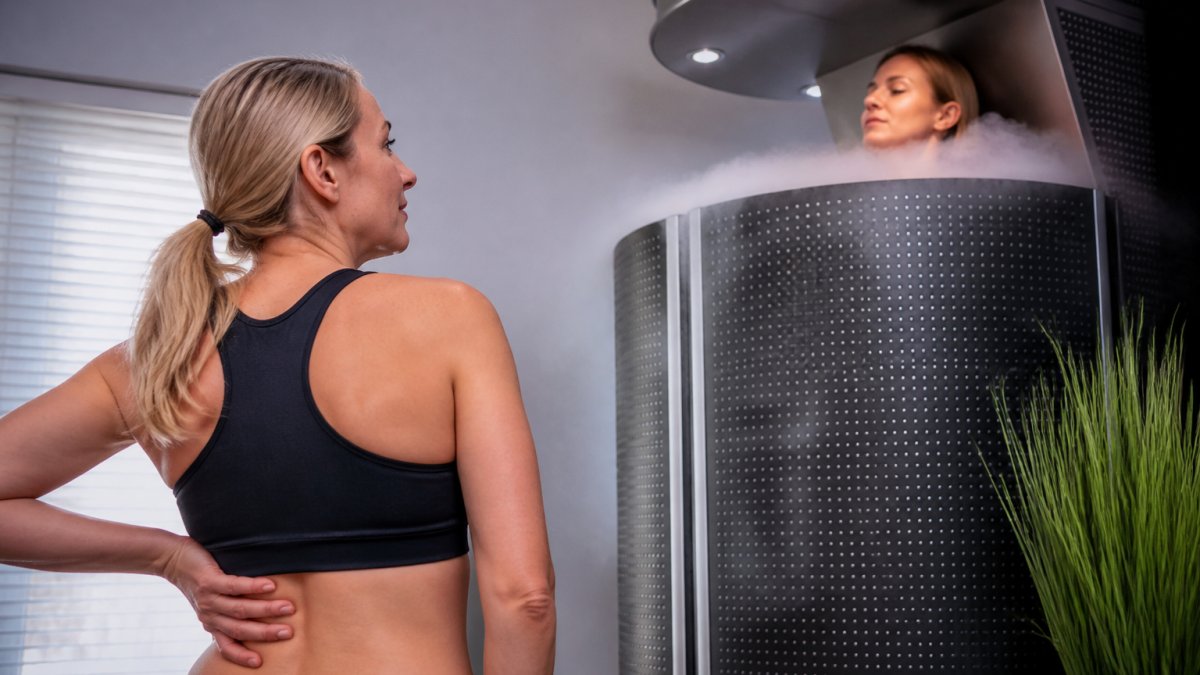
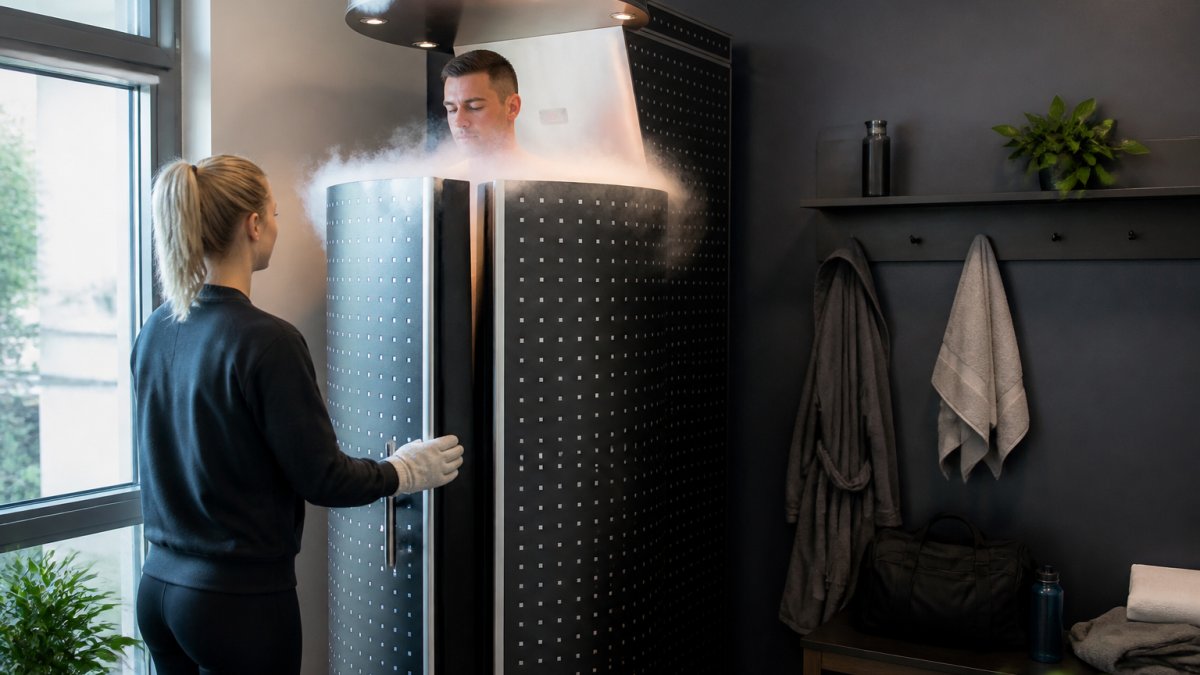
Cryotherapy addresses acute inflammation and muscle soreness through controlled cold exposure. Infrared saunas support detoxification and relaxation through gentle heat that penetrates tissue more deeply than traditional saunas. Red light therapy supports cellular recovery and reduces inflammation at the mitochondrial level. Someone recovering from a car accident might use cryotherapy for acute inflammation, float therapy for nervous system regulation, and infrared sauna for deeper tissue recovery, all in one location, all covered or partially covered by insurance.
Benefits of Float Therapy for Anxiety and Stress
Float therapy works for anxiety and stress by addressing the root mechanism: an overactive nervous system stuck in a low-level threat response. When you float in a sensory-reduced environment, your brain cannot process external danger signals. Without input from light, sound, or body weight sensation, your amygdala has nothing to react to, resulting in a measurable shift toward parasympathetic dominance, the nervous system state associated with relaxation and recovery.

The stress-relief mechanism operates on multiple levels. During a float session, cortisol levels may drop, and people report feeling tangibly calmer. Repeated sessions may help train your nervous system to access that relaxed state more easily in daily life. After several sessions, general anxiety may decrease even outside the tank because baseline nervous system activation has shifted lower.
For people dealing with work-related burnout or chronic muscle tension from desk work, float therapy addresses both physical and psychological components. Weightlessness relieves pressure on joints and muscles, reducing pain signals that keep your nervous system activated. Simultaneously, sensory reduction gives your overstimulated brain a genuine break from emails, notifications, and visual processing. Many people report that a single float session produces significant relaxation.
The magnesium in Epsom salt adds another layer. Your skin absorbs magnesium during a float, and magnesium deficiency is directly linked to anxiety and muscle tension, particularly relevant for stress-related muscle tightness or sleep disruption.
Watch Out Float therapy isn't appropriate for everyone. If you have open wounds, severe claustrophobia, or uncontrolled high blood pressure, discuss it with your doctor first. The first float session sometimes triggers mild anxiety in people unfamiliar with sensory deprivation, which is normal and usually resolves with subsequent sessions.
Wellness Center Payment Options and Insurance Coverage
Payment accessibility determines whether people actually follow through with wellness treatment. The most effective therapy is useless if cost prevents access.
FloatWell accepts HSA cards, meaning you use pre-tax dollars for treatment. If you're in a 25% tax bracket, this effectively discounts treatment by a quarter. HSA acceptance also signals that FloatWell's services are classified as legitimate medical expenses, not luxury spa services.
For MVA recovery, FloatWell bills insurance directly, eliminating scenarios where you pay out of pocket and fight for reimbursement. Direct billing means FloatWell handles paperwork, and you pay only your copay or coinsurance. If your insurance covers physical rehabilitation, there's a reasonable chance it covers float therapy or cryotherapy sessions, particularly if prescribed as part of post-accident recovery.
Other wellness centers operate primarily on membership and per-session pricing models. Hand & Stone and Elements Massage use this structure, which works if you're committing to regular visits and can absorb upfront costs, but doesn't help if you're uninsured or underinsured. Vancouver Wellness Studio and True REST Float Spa require direct inquiry for pricing, typically indicating higher rates for specialized services.
Best For If you're recovering from a car accident with MVA insurance coverage, FloatWell is a practical choice because direct billing may eliminate out-of-pocket friction. If you have an HSA but no insurance coverage, FloatWell's HSA acceptance makes it a cost-effective option compared to paying fully out of pocket elsewhere.
Recovery Spa Services for Burnout: What to Expect
Burnout isn't just psychological exhaustion, it's a state where your nervous system has run in overdrive so long it's lost the ability to downregulate. Cortisol stays elevated, muscles stay tense, and sleep quality deteriorates. Recovery spa services address this by helping your nervous system achieve a different state.

A typical burnout recovery session starts with assessment. A good facility asks about specific symptoms, muscle tension, sleep disruption, anxiety, general exhaustion, to determine treatment sequence. Someone with severe muscle tension might start with cryotherapy to reduce inflammation, then float therapy for nervous system recovery. Someone with insomnia might prioritize infrared sauna followed by float therapy.
Float therapy is a core burnout treatment because it addresses the root issue: your brain can't stop processing threat signals. In a float tank, there are no threat signals to process. Your amygdala gets a genuine break. After 60 minutes, your nervous system may downregulate significantly, and many report relaxation carrying forward for days. This is cumulative, the first float might produce reduced anxiety; with subsequent sessions, effects may extend longer.
Infrared sauna complements float therapy by addressing physical tension accompanying burnout. Gentle heat penetrates muscles and joints, reducing inflammation and promoting blood flow. Many find infrared sauna improves sleep quality, particularly if done in early evening, as heat triggers a natural cooling response supporting sleep onset.
Cryotherapy serves a different purpose by resetting your nervous system's stress response. Brief cold exposure triggers controlled stress, which your body recovers from, training your nervous system to handle stress more efficiently. Red light therapy supports cellular recovery and reduces inflammation at the mitochondrial level, addressing cellular energy depletion from chronic stress.
Typical expectation: your first session feels novel, possibly uncomfortable. With subsequent sessions, you may notice differences in sleep quality, muscle tension, and general anxiety. Most people may see meaningful improvement within a few weeks of consistent treatment.
How to Choose the Right Wellness Center for Your Needs
Choosing a wellness center requires matching your specific recovery goal with the facility's actual capabilities. Many people choose based on location or aesthetics rather than whether it addresses their problem.
Start by identifying your primary goal: Are you recovering from injury like an MVA? Managing chronic stress or burnout? Dealing with insomnia? Seeking general relaxation? Each goal maps to different treatment priorities.
For injury recovery, prioritize centers offering cryotherapy and float therapy to address both acute inflammation and nervous system dysregulation. Verify insurance acceptance or direct billing to eliminate cost barriers to consistent treatment.
For burnout or chronic stress, float therapy can be a highly effective intervention for downregulating an overactive nervous system. Pair it with infrared sauna if you have muscle tension or sleep disruption.
For general wellness, red light therapy and infrared sauna are appropriate for skin health, collagen production, and cellular recovery.
Next, evaluate practical accessibility: Does the center accept your insurance? HSA cards? Offer direct billing for MVA claims? Can you schedule at convenient times? A theoretically perfect facility is useless if you can't access it consistently.
Finally, assess the facility's treatment approach. A good wellness center assesses your needs, recommends a protocol, and adjusts based on response. If a center just books you into whatever you request, that's a red flag. You want practitioners understanding that recovery is sequential: you might need cryotherapy first to reduce acute inflammation, then float therapy for nervous system dysregulation, then infrared sauna for sleep support.
FloatWell exemplifies this approach, offering the full spectrum of recovery modalities, accepting HSA and MVA insurance, and positioning itself around personalized recovery rather than generic spa services.
Key Takeaway The right wellness center for stress relief offers multiple modalities (not just massage), accepts your insurance or HSA, and takes a protocol-based approach to treatment rather than just selling individual sessions. FloatWell meets these criteria.
Conclusion: Finding Your Path to Stress Relief
Stress relief requires consistent nervous system downregulation through evidence-based modalities. Wellness centers that work combine multiple recovery technologies, accept practical payment options, and approach treatment as a protocol rather than isolated sessions.
FloatWell delivers on all fronts. The facility combines float therapy, cryotherapy, infrared sauna, and red light therapy under one roof, accepts HSA cards, and bills MVA insurance directly for accident recovery. This combination of comprehensive services and practical accessibility makes FloatWell a strong choice for stress relief for many people seeking genuine recovery.
Book an appointment with FloatWell today and experience how scientifically proven recovery technologies can transform your stress response and physical wellness.
Frequently Asked Questions
What are the main benefits of float therapy for anxiety?
Float therapy reduces cortisol levels and activates the parasympathetic nervous system, helping calm anxiety. The sensory-reduced environment combined with magnesium absorption through Epsom salt creates deep relaxation. Many users report improved sleep, reduced muscle tension, and mental clarity after sessions. Effects typically deepen with regular visits, making it effective for ongoing anxiety management alongside other stress-relief practices.
Are wellness center services covered by insurance?
Coverage depends on your specific insurance plan and the type of service. Some wellness centers, like FloatWell, accept HSA cards and bill MVA insurance for car accident recovery. Contact your insurance provider and the wellness center directly to confirm coverage. Many centers also offer membership programs to reduce per-session costs for frequent visitors.
How often should I visit a wellness center to see results for stress relief?
Results vary by individual and service type. Float therapy benefits often accumulate over time, with many people experiencing noticeable stress reduction after 3-5 sessions. For ongoing stress management, weekly or biweekly visits provide consistent benefits. Massage therapy and infrared sauna sessions similarly work best as part of a regular routine rather than one-time visits. Discuss frequency with wellness professionals who can tailor recommendations to your specific stress levels and recovery goals.
What's the difference between wellness centers and traditional medical treatment for stress?
Wellness centers focus on preventive care and holistic stress management through modalities like float therapy, massage, and infrared sauna. Medical providers offer clinical diagnosis and treatment for anxiety disorders and depression. Many people benefit from combining both approaches, using wellness services for ongoing stress relief while working with mental health professionals for clinical concerns. Wellness centers complement rather than replace professional mental health care when needed.
Book an Appointment
This article was written using GrandRanker

Comments