Whole Body Cryotherapy vs Localized Cold Therapy

Table of Contents
Quick Comparison: Whole Body vs Localized Cold Therapy
What Is Whole Body Cryotherapy?
What Is Localized Cold Therapy?
The Benefits of Cryotherapy for Inflammation and Recovery
Cryotherapy Session Duration: What to Expect
HSA Eligibility for Wellness Services: What You Should Know
Safety, Screening, and Who Should Avoid Cold Therapy
How to Choose the Right Cold Therapy for Your Goals
Frequently Asked Questions
Last Updated: September 24, 2026
Quick Comparison: Whole Body vs Localized Cold Therapy
Whole body cryotherapy vs localized cold therapy comes down to one question: do you need a systemic response or a targeted one? Whole body cryotherapy exposes your entire body to cold air for two to three minutes, triggering a full-body circulatory and anti-inflammatory reaction. Localized cold therapy applies concentrated cold to one specific area, like a swollen knee or a strained shoulder.
That distinction shapes everything else: session length, cost, recovery goals, and who benefits most.
Factor | Whole Body Cryotherapy | Localized Cold Therapy |
Coverage | Entire body | One targeted area |
Session length | 2-3 minutes | 5-15 minutes |
Primary effect | Systemic inflammation reduction | Localized pain and swelling relief |
Best for | Full-body recovery, athletic training | Specific joint or muscle injuries |
Typical setting | Cryogenic chamber with cold air | Handheld device or ice application |
The choice isn't about which therapy is better. It's about matching the tool to the problem.

What Is Whole Body Cryotherapy?
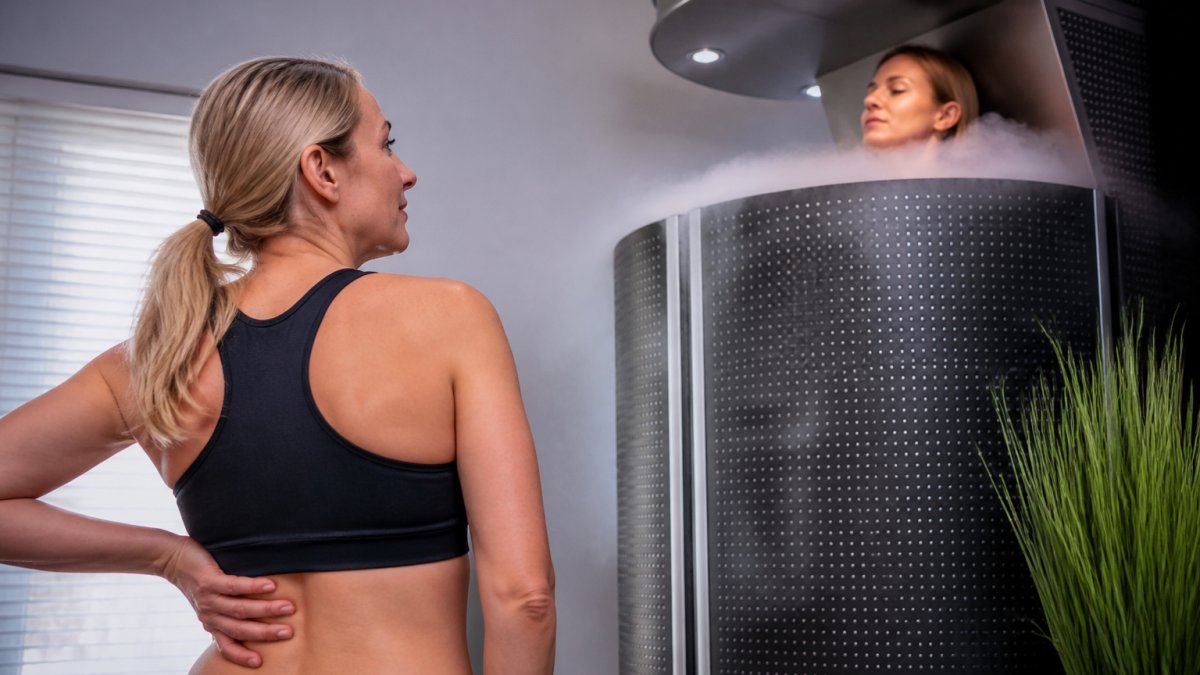
Whole body cryotherapy is a recovery treatment where you stand in a cryogenic chamber filled with cold air for two to three minutes, exposing your skin to temperatures well below freezing. The chamber uses liquid nitrogen or refrigerated cold air to create a controlled cold stress on the entire body.
Your body responds with vasoconstriction, narrowing blood vessels near the skin to preserve core temperature. When you step out, blood vessels reopen and circulate oxygen-rich blood back through your tissues. That circulatory response is what many people credit for reduced soreness and faster recovery.
A common mistake is assuming longer is better. It isn't. These sessions are deliberately short because the therapeutic benefit comes from the thermal shock, not extended exposure.
What Is Localized Cold Therapy?
Localized cold therapy is the targeted application of cold to a specific injury site or area of pain, using a handheld device, ice pack, or spot-treatment unit. Instead of cooling your whole body, it concentrates the cold where you need it most.
This approach works well for acute injuries. A sprained ankle, a swollen knee, or a strained lower back responds to direct cold application because the cooling slows blood flow to that area and reduces joint inflammation. Physical therapists often reach for localized cold therapy first because it's precise and easy to control.
What most guides miss is that localized treatment doesn't produce the same endorphin release or systemic inflammation reduction that whole body exposure can. You're treating the symptom, not the whole system.
The Benefits of Cryotherapy for Inflammation and Recovery
The benefits of cryotherapy for inflammation depend on which system you're triggering. Whole body cryotherapy and localized cold therapy act on two different physiological pathways, and understanding that split is what separates a smart treatment decision from a guess.
Localized cold therapy works mechanically and locally. When you apply cold to a sprained ankle or a swollen knee, you trigger vasoconstriction, the blood vessels in that specific tissue narrow. That reduces blood flow to the area, which limits edema (swelling) and slows the delivery of inflammatory mediators to the injured site. Cold also reduces nerve conduction velocity, which is why a targeted application numbs pain so quickly. The effect is real, but it stays where you put it. Once the tissue rewarms, blood flow returns and the local effect fades.
Whole body cryotherapy works systemically and hormonally. Standing in a chamber at roughly minus 200 to minus 260 degrees Fahrenheit for two to three minutes triggers a whole-body cold shock response.
Here is the practical translation:
Localized cold is a tool for a specific tissue problem, swelling, acute pain, a single inflamed joint.
Whole body cryotherapy is a tool for a systemic problem, full-body soreness, systemic inflammation, recovery from repeated training loads, and general wellness.
Neither replaces the other. A person rehabbing a surgically repaired knee may use localized cold on the joint and whole body cryotherapy for overall recovery. They are complementary, not competing.
Key Takeaway Localized cold treats tissue. Whole body cryotherapy treats systems. If your problem is in one spot, go local. If your problem is everywhere, soreness, systemic inflammation, recovery debt, go whole body.
Cryotherapy Session Duration: What to Expect
Cryotherapy session duration depends entirely on which type you choose. Whole body sessions run two to three minutes. Localized treatments typically last five to fifteen minutes, depending on the area and the device.
Therapy Type | Session Length | Frequency |
Whole body cryotherapy | 2-3 minutes | 2-3 times per week |
Localized cold therapy | 5-15 minutes | Daily during acute phase |
Cold plunge | 5-10 minutes | 2-4 times per week |
HSA Eligibility for Wellness Services: What You Should Know
HSA eligibility for wellness services depends on whether the treatment qualifies as a medical expense under IRS rules. A flexible spending or health savings account can cover services tied to a diagnosed condition, but general wellness treatments often fall outside that definition.
Safety, Screening, and Who Should Avoid Cold Therapy
Absolute contraindications for whole body cryotherapy typically include:
Pregnancy
Uncontrolled high blood pressure or significant cardiovascular disease
Raynaud's disease or other severe cold-sensitivity circulation disorders
A known cold allergy or prior severe reaction to cold exposure
Open wounds, recent surgery, or active infection at the treatment site
Severe anemia or uncontrolled seizure disorders
Well-controlled hypertension
Diabetes with peripheral neuropathy (reduced sensation means you may not feel cold damage)
Claustrophobia (relevant for chamber-based whole body sessions)
Recent joint or soft-tissue injury where the treatment area needs protection
Rewarm gradually. Don't jump straight into a hot shower or sauna. Let your body return to baseline temperature naturally for several minutes.
Move lightly. A short walk or gentle mobility work helps circulation return without stressing tissue that just went through cold shock.
Hydrate. Cold exposure can be dehydrating, and hydration supports the circulatory rebound.
Check your skin. For localized treatments, look for excessive redness, blistering, or prolonged numbness and report anything unusual.
Skip intense training immediately after. Give your body a window to normalize before loading it again.
Watch Out Skipping the screening to save time is the most common mistake. If you have an underlying heart condition and don't disclose it, whole body cold exposure can trigger a dangerous cardiovascular response. Always complete the health intake honestly, and if a provider doesn't ask, that's a red flag.
If you're unsure whether cold therapy is appropriate for you, the right move is a consultation with a qualified healthcare provider, not a self-assessment. Screening exists because cold therapy is powerful, and power cuts both ways.
How to Choose the Right Cold Therapy for Your Goals
Choosing the right therapy comes down to your goal, not the trend. If you're managing a specific injury, localized cold therapy gives you precision. If you want full-body recovery, systemic inflammation reduction, or a post-training reset, whole body cryotherapy fits better.
Use this decision framework:
Acute injury, one area: Start with localized cold therapy
Full-body soreness after training: Whole body cryotherapy
Chronic pain and inflammation: Either, guided by a professional
General wellness and stress relief: Whole body cryotherapy, often paired with other therapies
Car accident recovery: A combination, with insurance billing where applicable
Frequently Asked Questions
Is whole body cryotherapy worth it for muscle recovery?
For athletes and active individuals dealing with widespread soreness or systemic inflammation, whole body cryotherapy can be worth it. The cold air exposure triggers vasoconstriction and endorphin release, which may reduce post-exercise recovery time. However, if your pain is concentrated in one joint or muscle group, localized cold therapy may be more efficient and cost-effective. The right choice depends on whether you need a full-body systemic response or targeted treatment for a specific area.
Who should not do whole body cryotherapy?
People with severe hypertension, heart conditions, Raynaud's syndrome, cold urticaria, or pregnancy should avoid whole body cryotherapy. Anyone with a history of blood clots or circulatory disorders should also consult a physician first. Medical screening before your first session is essential. A qualified provider will review your health history and may recommend localized cold therapy or another modality if whole body cryotherapy is not appropriate for your situation.
What is the primary difference between localized cryotherapy and whole-body sessions?
Localized cryotherapy applies concentrated cold to a specific area, such as a knee, shoulder, or lower back, using a handheld device. Whole body cryotherapy exposes your entire body to cold air in a cryogenic chamber for 2 to 3 minutes. The key difference is scope: localized treatment targets acute injury sites with precision, while whole body sessions trigger a systemic circulatory and metabolic response that affects the entire body.
Does the FDA regulate cryotherapy devices for medical claims?
The FDA has cleared some cryotherapy devices for specific medical purposes, such as treating certain skin conditions, but it does not regulate whole body cryotherapy chambers for general wellness claims like muscle recovery or inflammation reduction. This means wellness providers cannot legally claim their cryotherapy services treat or cure medical conditions. If you see strong medical claims, ask the provider what the treatment is actually cleared for.
How does HSA eligibility for wellness services work with cryotherapy?
HSA eligibility for wellness services depends on whether the treatment is prescribed by a medical professional to treat a diagnosed condition. Cryotherapy for general wellness or athletic recovery typically does not qualify for HSA reimbursement. However, if a physician recommends cold therapy for a specific injury or chronic pain diagnosis, it may be eligible. Always check with your HSA administrator and keep detailed receipts and documentation before assuming coverage.
Cold therapy works best when it matches your actual recovery goal, and figuring out that match on your own can be frustrating. FloatWell offers both whole body cryotherapy and targeted cold therapy in one place, with professional oversight and flexible payment options including HSA card acceptance and MVA insurance billing for car accident recovery. Book an appointment with FloatWell and get a personalized recovery plan built around your needs.
Book an Appointment


Comments