Professional Massage vs Self-Care: When to Choose Each

Table of Contents
Signs You Need Professional Massage Therapy
When Self-Care for Muscle Pain Is Enough
At-Home Massage Techniques for Muscle Relief
When to See a Massage Therapist: Decision Framework
Stress, Anxiety, and the Role of Professional Massage
Physical and Mental Benefits of Professional Massage Therapy
Self-Care as Part of Your Wellness Routine
Frequently Asked Questions
Last Updated: October 12, 2026
Signs You Need Professional Massage Therapy
When considering professional massage vs self care, persistent muscle tension and stiffness that doesn't improve with rest or basic self-care is one of the clearest indicators that professional massage therapy can help.
Persistent muscle tension and stiffness that doesn't improve
Muscle tightness that lingers for weeks despite stretching, rest, or over-the-counter remedies suggests deeper tissue involvement. Your muscles may have developed patterns of chronic contraction that self-care alone cannot resolve.
Common sources of persistent tension include desk work, repetitive motions, poor posture, and unresolved stress. The longer tension persists, the more it affects your mobility and quality of life.
Trigger points and referred pain patterns
Trigger points are localized areas of tight muscle fibers that can cause pain in other parts of your body. You might feel a knot in your shoulder blade, but the pain radiates down your arm.
A trained massage therapist knows how to locate trigger points and apply the right pressure to release them. Self-massage tools can help with surface tension, but they lack the precision and feedback a professional provides.
Pain that continues despite at-home care
When you've tried stretching, heat, ice, rest, and self-massage for several weeks and the pain persists, professional intervention becomes necessary.
This is especially true if your pain interferes with daily activities, sleep, or work. Professional massage therapy can break the pain cycle by addressing muscle inflammation, improving circulation, and reducing tension patterns that perpetuate discomfort.
When Self-Care for Muscle Pain Is Enough
Not every muscle ache requires professional treatment. Understanding when self-care is sufficient helps you make the right choice for your situation.
Mild soreness from recent activity
Soreness that appears 24-48 hours after a workout or physical activity is normal muscle adaptation. This delayed-onset muscle soreness (DOMS) typically resolves on its own within a few days. Rest, light stretching, and movement usually manage it effectively.
Self-care approaches work well here: gentle stretching, warm baths, staying hydrated, and maintaining light activity. You don't need professional intervention for typical post-workout soreness. However, if soreness persists beyond a week or worsens with activity, reassess whether professional help is needed.
Stress-related tension you can manage at home
Stress causes your muscles to tighten, particularly in the neck, shoulders, and lower back. If you can manage this tension through stretching, heat application, breathing exercises, or brief relaxation practices, professional massage may not be immediately necessary.
Many people find that consistent self-care routines, regular stretching, yoga, or mobility work, keep stress-related tension at manageable levels. However, if stress accumulates faster than you can release it, or if tension becomes chronic and affects your sleep or mood, professional massage can provide relief that resets your nervous system and reduces cortisol levels.
At-Home Massage Techniques for Muscle Relief
Self-massage and stretching are valuable tools for maintaining muscle health and managing mild tension. Learning proper technique ensures safety and effectiveness.

Self-massage tools and how to use them safely
Foam rollers, massage balls, and handheld massage devices are accessible ways to address muscle tension at home. Each tool works differently, and proper use matters.
Foam rollers work best for larger muscle groups like the calves, quads, and back. Roll slowly over the muscle, pausing on tender spots for 20-30 seconds without bouncing.
Massage balls target specific trigger points with precision. Place the ball against the wall or on the ground, lean into it, and hold pressure on tight spots.
Handheld massage devices offer vibration therapy for muscle relaxation. Use them on muscle groups for 1-2 minutes at a time, following the device's guidance.
Safety tip: If you experience sharp pain, numbness, or tingling, stop immediately. These signals suggest you need professional evaluation rather than continued self-treatment.
Stretching and mobility work for tension relief
Dynamic stretching, moving through a range of motion, warms up muscles before activity. Static stretching, holding a stretch for 20-30 seconds, works better after activity or during dedicated flexibility sessions.
Effective stretches for common tension areas include:
Neck: Gentle side-to-side tilts and shoulder rolls
Shoulders: Cross-body arm stretches and doorway chest stretches
Lower back: Knee-to-chest stretches and cat-cow movements
Hips: Figure-four stretches and lunges
Perform stretches 3-5 times per week for best results. Hold each stretch without bouncing, and never stretch to the point of pain. Consistency matters more than intensity.
Yoga and pilates also build strength and flexibility while reducing muscle tension. These practices address both physical and mental stress, supporting your overall wellness routine.
When to See a Massage Therapist: Decision Framework
The choice between self-care and professional massage depends on several factors. Use this framework to guide your decision.
How long to try self-care before booking professional help
Start with consistent self-care for 2-3 weeks. During this time, stretch daily, use massage tools 3-4 times per week, manage stress through relaxation practices, and maintain good posture and movement habits. Track how you feel, does tension decrease, stay the same, or worsen?
If you see improvement, continue your self-care routine. If tension persists unchanged or worsens after 3 weeks, book a professional massage appointment. This timeframe gives self-care enough time to work while preventing unnecessary delay if professional help is needed.
For acute pain from an injury, the timeline is shorter. If pain is severe, limits your movement significantly, or follows a car accident or sports injury, seek professional help within the first week. Early intervention often prevents chronic pain patterns from developing.
Red flags that require medical evaluation instead
Some symptoms warrant medical attention rather than massage therapy. Seek professional medical evaluation if you experience:
Sharp, shooting pain that radiates down your arm or leg (possible nerve involvement)
Numbness or tingling in your extremities
Severe swelling or visible deformity
Pain following trauma or a fall
Pain accompanied by fever, chills, or unexplained weight loss
Loss of strength or difficulty controlling movement
Pain that wakes you from sleep consistently
These symptoms suggest underlying conditions, nerve compression, fracture, infection, or other medical issues, that require diagnosis and treatment beyond massage. A healthcare provider can determine whether massage is appropriate as part of your treatment plan or whether other interventions are necessary first.
When in doubt, consult your primary care provider before booking massage, especially if you have pre-existing health conditions or take medications.
Stress, Anxiety, and the Role of Professional Massage
Stress and anxiety create physical tension throughout your body. Your muscles tighten, your breathing becomes shallow, and your nervous system stays activated. Professional massage interrupts this cycle.
Massage therapy activates your parasympathetic nervous system, your body's relaxation response (The Effects of Heat and Massage Application on Autonomic Nervous System). This counteracts the stress response, lowering cortisol levels and promoting calm. The therapeutic touch itself signals safety to your nervous system, allowing deep relaxation that self-care alone may not achieve.
For people experiencing burnout, chronic stress, or anxiety, regular professional massage provides relief that extends beyond the session itself. Many clients report improved sleep, better mood, and reduced anxiety after massage. This makes professional massage a valuable component of stress management, particularly for those whose stress-related tension doesn't respond to self-care alone.
At FloatWell, we understand that stress and muscle tension often go hand-in-hand.
Physical and Mental Benefits of Professional Massage Therapy
Professional massage offers benefits beyond what self-care typically achieves. Understanding these benefits helps you make an informed decision about whether professional treatment aligns with your needs.
Circulation, muscle recovery, and pain relief
Massage increases blood flow to muscles, delivering oxygen and nutrients that support recovery and reduce inflammation. This improved circulation accelerates healing from injury and reduces muscle soreness. The mechanical pressure of massage also helps move metabolic waste from muscle tissue, reducing post-workout soreness and improving recovery time.
For athletes and active individuals, professional massage supports faster recovery between workouts, allowing for more consistent training. For people recovering from injury, improved circulation accelerates healing and restores function. Pain relief often follows naturally as inflammation decreases and muscle tension releases.
Relaxation, stress relief, and immune system support
Beyond physical benefits, massage promotes deep relaxation and mental calm. The combination of therapeutic touch, reduced muscle tension, and nervous system activation creates a state of profound rest. This relaxation extends beyond the massage session, with many clients reporting better sleep and improved mood for days afterward.
Chronic stress suppresses immune function. By reducing stress and promoting relaxation, massage supports immune health. Regular massage has been associated with improved overall wellness and reduced incidence of stress-related illness.
Benefit | Self-Care | Professional Massage |
Addresses mild, acute soreness | Yes | Yes |
Targets specific trigger points | Limited | Yes |
Promotes deep nervous system relaxation | Partial | Yes |
Accelerates recovery from injury | Moderate | Significant |
Provides sustained pain relief | Short-term | Extended |
Reduces stress and anxiety | Moderate | Significant |
Improves sleep quality | Moderate | Significant |
Requires professional expertise | No | Yes |
Self-Care as Part of Your Wellness Routine
Self-care and professional massage aren't mutually exclusive. Many people benefit from combining both approaches.
A sustainable wellness routine might include daily self-care, stretching, foam rolling, stress management, supplemented by professional massage monthly or quarterly. This combination maintains muscle health, prevents chronic tension from developing, and provides the deeper relief that professional treatment offers when needed.
When evaluating professional massage vs self care, think of self-care as maintenance and professional massage as deeper restoration. Regular self-care prevents problems from escalating, while periodic professional massage addresses accumulated tension and provides benefits self-care cannot deliver alone.
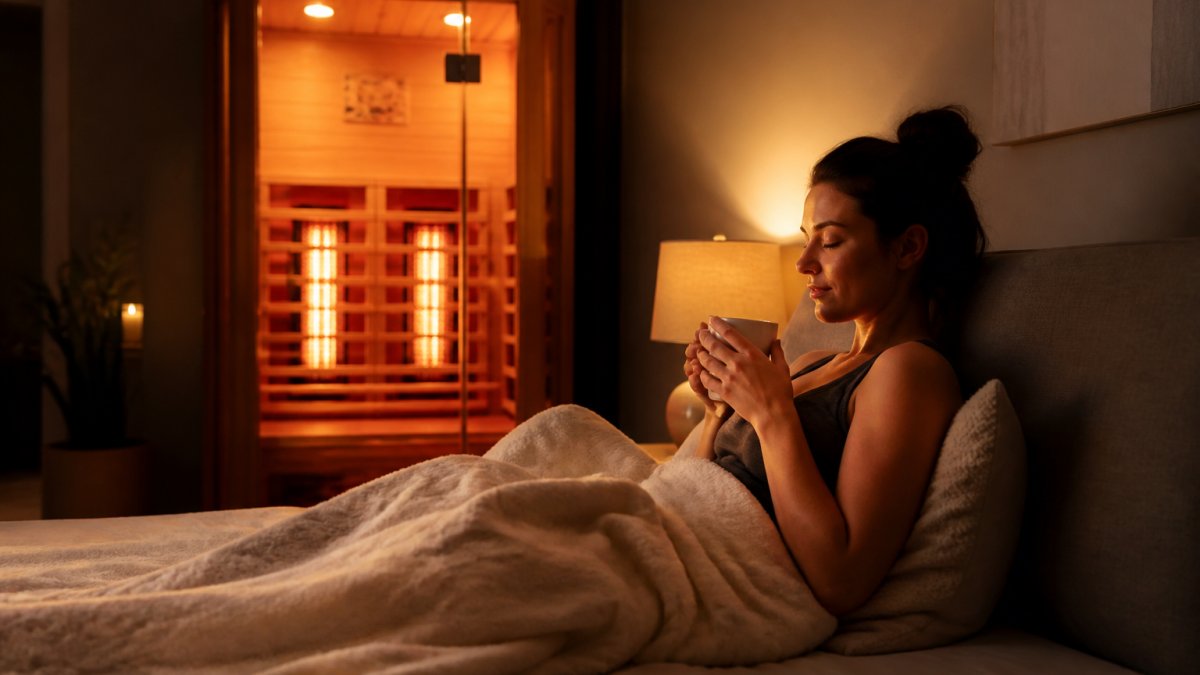
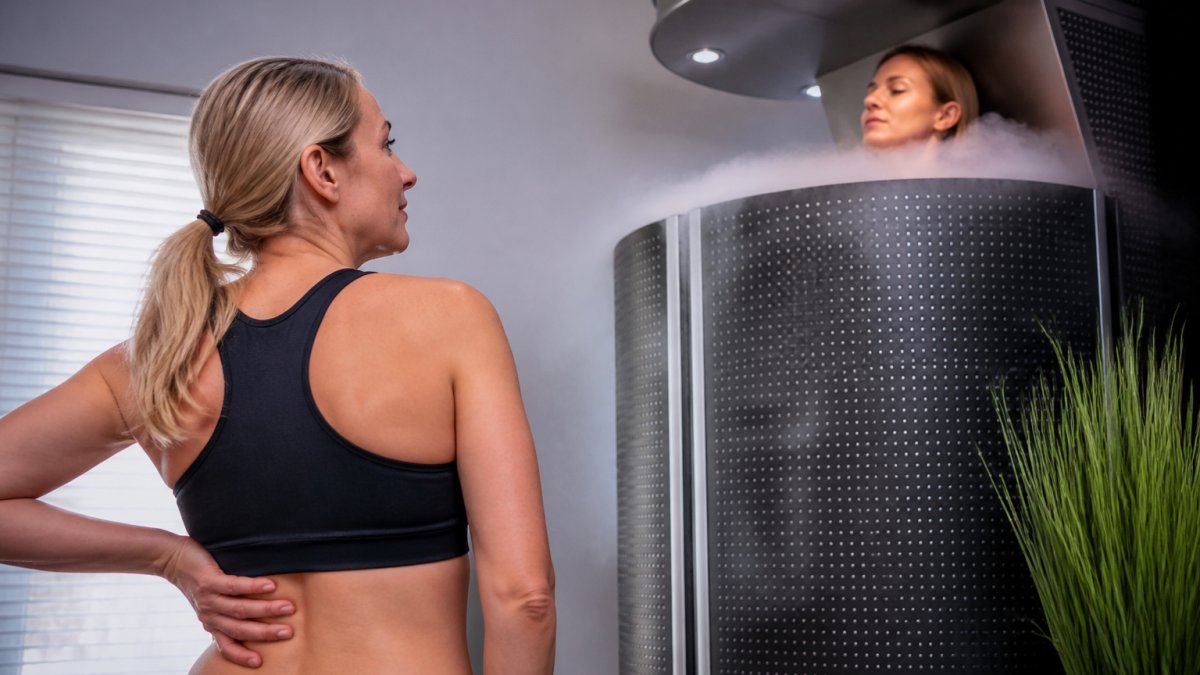
For people managing chronic pain, recovering from injury, or dealing with high stress, professional massage combined with consistent self-care produces better results than either approach alone. FloatWell's comprehensive wellness services support this integrated approach, offering recovery technologies like float therapy, cryotherapy, and infrared saunas that work synergistically with self-care practices.
Pro Tip Start a simple self-care routine: 10 minutes of daily stretching plus foam rolling 3-4 times per week. Track your progress for 3 weeks. If tension persists or worsens, book professional massage. This approach helps you use your time and resources efficiently while addressing muscle tension effectively.
The decision between self-care and professional massage comes down to your specific situation, how long you've been managing tension, and whether self-care is actually working. Mild, acute soreness responds well to at-home techniques. Persistent tension, trigger points, chronic pain, or high stress often require professional intervention.
At FloatWell, we help clients navigate this decision by offering personalized consultations and a range of recovery services tailored to your needs. We accept MVA insurance for accident recovery and HSA cards for eligible wellness services, making professional care accessible. Learn more about our recovery services or book your consultation today to start your path toward lasting relief.
Frequently Asked Questions
What are the main signs you need professional massage therapy instead of self-care?
Seek professional help if you have persistent muscle tension lasting more than two weeks, trigger points causing referred pain, pain that worsens despite at-home stretching or self-massage, or muscle stiffness affecting your daily activities. A qualified professional can assess your condition and apply targeted techniques that address the root cause. If pain follows an injury or accident, professional evaluation ensures you're not masking a more serious issue.
How long should I try self-care before booking professional massage therapy?
Try self-care for 7-14 days if your tension is mild to moderate. Use stretching, self-massage, rest, and heat therapy consistently during this period. If symptoms don't improve, worsen, or affect your sleep or work, schedule a professional appointment. For acute injuries or severe pain, don't wait, see a qualified healthcare provider immediately. Recovery time varies by individual and condition.
Can at-home massage techniques and professional massage work together?
Yes. Professional therapies and at-home self-care complement each other. A professional can identify problem areas and guide you on self-care techniques to maintain results between sessions. Use at-home methods like foam rolling, stretching, and self-massage on rest days to extend the benefits of professional treatment. This combined approach supports better circulation, muscle recovery, and stress relief over time.
What red flags mean I should see a doctor instead of getting a massage?
Seek medical evaluation if pain is severe, sudden, or follows trauma; if you have numbness, tingling, or weakness; if swelling or redness is present; if pain prevents sleep or basic movement; or if symptoms persist despite rest. Do not rely on wellness therapies alone for fractures, sprains, or suspected joint inflammation. A healthcare provider can rule out conditions requiring medical treatment before wellness therapies begin.
Book an Appointment

Comments