Float Tank Safety Precautions: What to Know First

Table of Contents
Safety Precautions for Using Float Tanks: The Essentials
How to Prepare for a Float Tank Session: A Step-by-Step Checklist
What to Bring and Wear
Eating, Hydration, and Caffeine Timing
What to Avoid Before Float Therapy: Substances and Skin Care
Shaving, Waxing, and Open Wounds
Float Tank Contraindications: Who Should Not Float
Conditions where most facilities ask for medical clearance
Conditions where the concern is precautionary, not established
How to raise this with your clinician
Float Tank Hygiene and Sanitation: What Keeps the Water Safe
Inside the Tank: Safe Entry, Exit, and Managing Discomfort
Before you get in
Entering safely
Stopping a session early
Managing claustrophobia and sensory discomfort
Dizziness and nausea
Accessibility and mobility accommodations
Sensory and communication needs
After Your Float: Aftercare and When to Seek Medical Advice
Frequently Asked Questions
Last Updated: October 14, 2026
Safety Precautions for Using Float Tanks: The Essentials
Float tank safety comes down to a short list of things you control before you step into the water.
This guide from FloatWell covers the full checklist: what to eat, what to skip, who should talk to a doctor first, and how to exit safely.
The short version: arrive clean, hydrated, and free of open cuts. Skip caffeine and alcohol. Tell staff about any medical condition.
Key Takeaway The biggest float tank safety risk is not drowning. It is dehydration, dizziness, and skin irritation from small cuts meeting concentrated salt water.
How to Prepare for a Float Tank Session: A Step-by-Step Checklist
Good preparation takes about two hours of lead time. Follow these steps in order.
Book your session and note the start time.
Stop eating heavy meals two hours before.
Drink water in the hour before you arrive.
Skip caffeine for four hours beforehand.
Shower and remove lotions, oils, and makeup.
Cover any small cuts with a waterproof bandage.
Bring a towel, flip-flops, and a hair tie.
Arrive 15 minutes early to settle in.

What to Bring and Wear
Wear whatever is comfortable to the facility. Most people bring a swimsuit, but the tank is private, so many float without one. Bring a towel for after your shower. Flip-flops help in shared changing areas. Leave jewelry and contacts behind, since salt water can damage both.
Eating, Hydration, and Caffeine Timing
Eat a light snack one to two hours before. A heavy meal sends blood to your stomach, which can leave you queasy in the tank.
Caffeine is the one to watch. Coffee, energy drinks, and pre-workout supplements raise your heart rate and make it hard to lie still. Skip them for at least four hours. The same goes for nicotine.
What to Avoid Before Float Therapy: Substances and Skin Care
Alcohol and recreational drugs do not mix with floating. Both affect balance, judgment, and body temperature, raising your risk of dizziness, nausea, and a fall on the way in or out. Most facilities, including FloatWell, ask you to reschedule if you arrive under the influence.
Skin products matter too. Lotions, oils, sunscreen, and makeup wash off into the water and break down the Epsom salt solution. Shower first and moisturize after.
Shaving, Waxing, and Open Wounds
Shaving or waxing the day of your float is a bad idea. Freshly shaved skin stings in salt water, and small nicks let salt in. Wait at least 24 hours.
Open wounds are a firmer rule. Cuts, scrapes, and abrasions let salt water into the skin, which burns and can irritate. Cover small cuts with a waterproof bandage. Skip the float entirely if you have a large open wound or a skin infection.
Watch Out Floating with an infectious skin condition like athlete's foot or a cold sore puts other guests at risk and can make your own condition worse. Reschedule until it clears up.
Float Tank Contraindications: Who Should Not Float
Most float facilities screen for a short list of conditions before your first session. The list below separates conditions where guidance is fairly consistent from those where the concern is precautionary. This is general information, not medical advice, your clinician knows your history.
Conditions where most facilities ask for medical clearance
Uncontrolled epilepsy or a recent seizure. The quiet, low-stimulation environment can trigger some people with photosensitive or stress-related seizure patterns. If your seizures are well controlled and your neurologist is comfortable, many people float without issue, but get that clearance in writing if the facility asks.
Serious cardiovascular conditions. Floating lowers heart rate and blood pressure and shifts blood toward the core. For most healthy adults this is the point. For someone with unstable angina, recent cardiac events, or poorly controlled arrhythmia, that shift warrants a cardiologist conversation first.
First trimester of pregnancy. There is no strong evidence that floating is harmful in early pregnancy, but many providers advise waiting until the second trimester as a precaution. If pregnant at any stage, ask your OB or midwife before booking.
Conditions where the concern is precautionary, not established
Claustrophobia or panic disorder. Not a physical contraindication, but a real comfort issue. See the entry, exit, and discomfort section for options like leaving the lid open.
Low blood pressure or a history of fainting. The warmth and stillness can drop blood pressure further. Rise slowly and tell staff so they can check on you.
Diabetes, especially with neuropathy. You may not feel a small cut or abrasion in the salt water. Inspect your skin before and after.
How to raise this with your clinician
A short, specific question gets a better answer than "can I float?" Try: "I'm planning a 60-minute float in a warm Epsom salt tank. I have [condition] and take [medications]. Is there any reason that would be unsafe for me?" Bring the facility's contact information in case your provider wants to ask about water temperature, depth, or sanitation.
Pro Tip If you are unsure, book a shorter session, 30 or 45 minutes instead of 90, and tell the front desk about your condition when you arrive. Most facilities will check on you more often and let you end early without penalty.
Float Tank Hygiene and Sanitation: What Keeps the Water Safe
Water sanitation is the backbone of float tank safety. A well-run tank uses three layers of protection: filtration, disinfection, and high salt content.
Filtration runs between every session, pulling particles out of the water. Disinfection, often with UV light or hydrogen peroxide, kills what is left.
Here is what to look for at any facility:
Safety Layer | What It Does | What to Ask |
Filtration | Removes particles between sessions | How often is the pump run? |
Disinfection | Kills bacteria and viruses | What system is used? |
Salt content | Creates an environment microbes dislike | Is the solution tested daily? |
Ventilation | Keeps air fresh in the pod | Is there an air switch inside? |
Tank hygiene | Clean linens and showers | Are towels fresh per guest? |
You can also do your part. Shower before you float, and never enter with an open wound or skin infection.
Inside the Tank: Safe Entry, Exit, and Managing Discomfort
Entry and exit are where most minor incidents happen. The water is only about 10 to 12 inches deep, but the Epsom salt makes every surface slick, and the transition from weightlessness back to standing is where people get lightheaded.
Before you get in
Confirm where the air switch, alarm, or call button is. Most pods have a button inside and a pull cord or wall switch outside. Ask staff to point to both.
Set the lid where you want it. Most tanks let you leave it fully open, prop it partway, or close it. You can change it mid-session.
Decide on lighting. Most pods have an interior light you can leave on, dim, or turn off.
Entering safely
Shower first, as the facility directs.
Step in slowly, holding the handrail or tank edge.
Sit down before lying back. Do not dive or drop in.
Keep your head above water until you are settled and the water has stopped moving.
Rest your head on the pillow or float support. Your ears can stay above or below the water, your choice.
Stopping a session early
You are never locked in. If you feel unwell, panicked, or just done:
Press the air switch, alarm, or call button. Staff will respond.
If you cannot find the button, sit up and open the lid. The room is private but not sealed.
Call out. Most facilities have staff within earshot.
There is no penalty for ending early at a well-run facility. Tell staff on your way out so they can check on you.
Managing claustrophobia and sensory discomfort
Claustrophobia is the most common reason first-time floaters end a session early. Practical options:
Leave the lid fully open for the first 10 to 15 minutes.
Keep the interior light on.
Ask for a larger tank or an open-style float room instead of a pod.
If anxiety does not ease after 10 minutes, end the session. Floating is not a test.
Dizziness and nausea
Standing up too fast after 60 to 90 minutes of stillness can cause a brief drop in blood pressure. Sit up slowly, pause, then stand. If nauseated, sit on the tank edge or floor until it passes, then drink water.
Accessibility and mobility accommodations
Float tanks are not one-size-fits-all. If you use a wheelchair, walker, or cane, or have limited grip strength, call before booking and ask:
Is there a roll-in shower or a shower with a seat?
Is there a transfer bench or lift for entering the tank?
How wide is the tank opening, and how high is the lip from the floor?
Many facilities can accommodate these needs with advance notice. Some cannot, and it is better to know before you arrive.
Sensory and communication needs
If you are Deaf or hard of hearing, ask whether the alarm is visual as well as audible. If you are blind or have low vision, ask staff to walk you through the room layout and place your hand on the air switch before you get in. If you have a service animal, confirm the facility's policy in advance.
Watch Out Never float while impaired by alcohol, recreational drugs, or sedatives. Balance, judgment, and body temperature regulation are all affected, and the slippery floor around the tank is the most likely place to fall.
After Your Float: Aftercare and When to Seek Medical Advice
Rinse off after your session. Salt water dries on the skin and can leave a film. Shower, then moisturize once clean.
Drink water. Floating is restful, but your body still loses fluid.
Most people feel calm and loose afterward. Some feel lightheaded for a few minutes.
Seek medical advice if you notice:
Skin redness or a rash that does not fade
Ear pain or muffled hearing
Ongoing dizziness or nausea
These signs are uncommon, but worth watching.
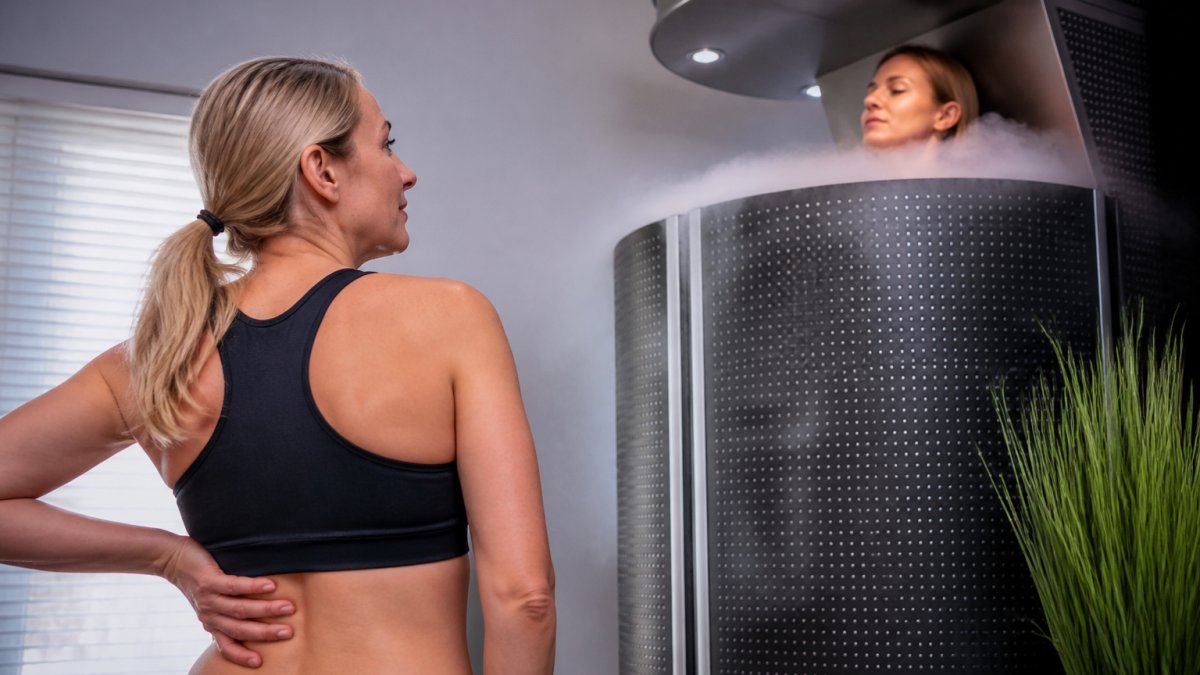
At FloatWell, we pair float therapy with cryotherapy, infrared saunas, and red light therapy to support recovery.
Frequently Asked Questions
What are the potential risks of using a float tank?
Most risks are minor and preventable. Skin irritation can occur if you shave or wax within 24 hours before floating because the concentrated Epsom salt water stings open follicles. Dizziness on exit is possible, so stand slowly and use the handrails. People with uncontrolled seizures, open wounds, infectious skin conditions, or certain heart conditions should get medical clearance first. Proper float tank hygiene and sanitation at the facility you choose also reduces infection risk. If you feel uncomfortable at any point, you can open the tank lid or use the air switch to end the session.
What should I avoid before a float tank session?
Skip caffeine and nicotine for at least a few hours before your session since stimulants make it harder to relax and can raise your heart rate. Avoid alcohol and recreational drugs entirely on float day. Eat only a light meal about 90 minutes beforehand so digestion does not distract you, and do not shave, wax, or apply heavy lotions, oils, or hair dye before floating. These products can irritate your skin in the salt water and may affect tank water quality.
Who should avoid using a float tank?
Float tank contraindications include open wounds, cuts, or abrasions, infectious skin conditions like athlete's foot or impetigo, and recent tattoos or piercings that have not healed. People with uncontrolled epilepsy, serious heart conditions, or severe claustrophobia should talk to a doctor before booking. Pregnant women and anyone with a medical condition should get clinician guidance. If you have a skin infection or an unhealed wound, wait until it fully heals before scheduling a session. When in doubt, ask your healthcare provider.
Can you use a float tank with a cut or skin irritation?
No. Even small cuts, scrapes, or patches of irritated skin can sting badly in the high-salinity water, and broken skin raises the risk of infection. The same applies to fresh tattoos, recent piercings, and active skin conditions like eczema flare-ups or fungal infections. Wait until the wound has completely closed and any irritation has cleared before you float. If you are unsure whether your skin is ready, check with a healthcare professional first. Protecting your skin also helps keep the tank water clean for everyone.
Float tank safety is mostly about preparation and honesty. Tell staff about your health, skip the coffee and alcohol, and cover any cuts. If you want a guided first session, FloatWell offers float therapy alongside cryotherapy, infrared sauna, and red light therapy. We bill MVA insurance and take HSA cards, so recovery stays within reach. Book an appointment with FloatWell and start your recovery the right way.
Book an Appointment


Comments