Benefits of Float Therapy for Anxiety: A 2026 Guide

Updated: Sep 16
Table of Contents
How Float Therapy Calms an Anxious Brain
The Mental Health Benefits of Float Therapy for Anxiety
Immediate Relief vs. Long-Term Anxiety Management
Physical Benefits: Why Deep Relaxation Eases Tension and Pain
How Long Is a Float Therapy Session and How Often Should You Go?
Preparing for Your First Float Session: What to Expect
Before the Session
The Post-Float Integration Window
Handling the Emotional Release
Float Therapy Contraindications and Potential Risks
Making Float Therapy Part of Your Anxiety Management Plan
Frequently Asked Questions
Last Updated: September 6, 2026
Float therapy is a treatment where you float effortlessly in a shallow pool of water saturated with Epsom salt, inside a soundproof and lightproof pod. For people struggling with anxiety, the benefits lie in its ability to force the nervous system into a state of deep rest. In this guide, we break down what the research says about flotation-REST, what you can realistically expect, and how to build it into a plan that actually manages symptoms.
The core promise is not about escaping your thoughts, but about giving your physiology a break from the constant flood of environmental stimuli, allowing the brain to downshift out of "fight or flight" mode.
How Float Therapy Calms an Anxious Brain
When you step into a float tank, the immediate physiological shift is driven by the removal of gravitational load and sensory input. The water, saturated with roughly 1,000 pounds of Epsom salt, creates near-zero gravity conditions, allowing skeletal muscles to fully disengage. The water is heated to approximately 93.5°F, matching skin surface temperature, so the brain no longer needs to regulate core temperature, freeing up cognitive resources normally spent on subconscious environmental monitoring (PubMed).

The clinical term for this intervention is Restricted Environmental Stimulation Therapy (REST). Research conducted at the Laureate Institute for Brain Research in Tulsa, Oklahoma, has used functional MRI (fMRI) scans to observe brain activity during and after float sessions. One of the key findings is a reduction in activity in the amygdala, the brain region most associated with fear and threat detection. In individuals with anxiety disorders, the amygdala tends to be hyper-reactive. The float environment appears to dampen this reactivity, which correlates with the self-reported reductions in state anxiety that participants experience immediately after a session.
Another critical mechanism involves the default mode network (DMN), the source of mind-wandering and self-referential thoughts, often referred to as the "monkey mind." In anxious individuals, the DMN is often overactive, leading to rumination and worry. The sensory deprivation of the tank reduces external stimuli, allowing the DMN to quiet down and the brain to shift toward theta brain wave production (4-8 Hz), typically seen in deep meditation.
This shift is not merely subjective. A 2018 study published in BMC Complementary and Alternative Medicine measured the effects of a single one-hour float session on a cohort of participants with stress-related conditions (peer-reviewed research). The researchers observed significant reductions in cortisol levels (the primary stress hormone) and a measurable decrease in systolic blood pressure. These physiological markers confirm that the relaxation response is not just a placebo effect but a quantifiable change in the autonomic nervous system.
Key Takeaway The anti-anxiety effect of floating is rooted in measurable neurobiological changes: reduced amygdala reactivity, quieting of the default mode network, and a shift toward theta brain wave production. This is a physiological reset, not just a psychological escape.
Epsom salt is magnesium sulfate, and while the scientific debate on transdermal magnesium absorption continues, the buoyancy it provides is undisputed. The magnesium creates the density that allows your body to float effortlessly, the primary driver of physical release. Whether significant magnesium enters the bloodstream through the skin remains a topic of study, but the mechanical effect of weightlessness is immediate and profound.
The Mental Health Benefits of Float Therapy for Anxiety
The mental health benefits of float therapy for anxiety are most pronounced in how the session regulates mood after you step out of the tank. Clinical research notes a significant reduction in state anxiety, the acute, in-the-moment feeling of worry, immediately following a session.
Immediate Relief vs. Long-Term Anxiety Management
A single session acts like a hard reset for a stressed nervous system, lowering cortisol levels and reducing muscle tension for hours or even days afterward. However, for generalized anxiety that persists daily, floating works best as a consistent practice rather than a one-off emergency button.
Think of it like physical therapy for a chronic injury: one session feels good, but structural change happens with repeated, scheduled effort. Many clients find that floating once or twice a week helps them build a higher baseline of tolerance to stress, making them less reactive to triggers. It is a tool for nervous system regulation, not a cure, but it makes every other coping strategy easier to use.
Physical Benefits: Why Deep Relaxation Eases Tension and Pain
Anxiety is not just a mental state; it is a physical one. Chronic stress keeps muscles in a state of low-level contraction, leading to tight shoulders, a stiff neck, and lower back pain. When you float, the pressure on your spine and joints drops to nearly zero, allowing muscles to lengthen and release in a way that is difficult to achieve on a massage table.
Magnesium is known to help regulate muscle and nerve function, and many people are deficient in it due to stress and diet. While research on transdermal absorption is still evolving, the combination of weightlessness and a warm environment provides significant relief for those carrying tension. For individuals with chronic pain exacerbated by stress, this deep physical release can interrupt the cycle where pain causes anxiety, and anxiety worsens the perception of pain.
How Long Is a Float Therapy Session and How Often Should You Go?
A standard float therapy session lasts 60 minutes. Some facilities offer 90-minute sessions for those who want more time to meditate.
For frequency, a common approach for anxiety management is to start with a block of sessions. Floating once a week for four to six weeks helps your body learn to recognize the state of deep relaxation, making it easier to access that calmness outside the tank. After that initial period, many people find that floating every two to four weeks is sufficient to maintain the benefits.
Goal | Recommended Frequency | Session Length | Expected Outcome |
Acute Stress Relief | 2-3 sessions in 1 week | 60 minutes | Immediate drop in anxiety symptoms |
Building a New Baseline | 1 session weekly for 4-6 weeks | 60 minutes | Improved mood regulation and sleep quality |
Long-Term Maintenance | 1 session every 2-4 weeks | 60-90 minutes | Sustained stress reduction and lower muscle tension |
Preparing for Your First Float Session: What to Expect
Preparing for your first float session is mostly about managing expectations, but the work does not end when you step out of the tank. The period immediately following your float, often called the "integration window", is where the long-term benefits for anxiety are actually cemented. Understanding how to handle the post-float state is what separates a temporary escape from a lasting shift.
Before the Session
You will shower before entering the tank to keep the water clean, wear earplugs, and have the option to float in silence or with soft music. The water is heated to roughly 93.5°F, so within a few minutes you may lose the sensation of where your body ends and the water begins. Avoid caffeine for at least four hours prior, and do not shave within 24 hours of your session, as the salt will sting any micro-abrasions.
A common mistake is expecting your mind to be silent immediately. The first few sessions often involve a "monkey mind" phase where your brain runs through your to-do list. This is normal; the key is to not fight it. The physical relaxation happens regardless, and usually around the 20-minute mark the mental chatter begins to slow down. Do not judge the session by the first 10 minutes; judge it by how your body feels when you step out.
The Post-Float Integration Window
The 30 to 60 minutes after you exit the tank are uniquely valuable. During a float, your brain produces theta waves, associated with heightened suggestibility and neuroplasticity, meaning your brain is temporarily more receptive to new patterns of thought. If you immediately check your phone and re-engage with stress triggers, you are essentially throwing away the neurological reset you just paid for.
Instead, protect this window with specific integration techniques to extend the calm into your daily life:
Deliberate Transition Time: Do not schedule anything for at least 30 minutes after your float. Sit in the lounge area, sip water slowly, and notice the physical sensations in your body. This is not idleness; it is a practice of interoception, the awareness of your internal state, which is often impaired in anxiety disorders.
Journaling with a Prompt: Instead of open-ended journaling, use a specific prompt like, "What felt different in my body when I was not trying to control anything?" This anchors the experience in a sensory memory rather than a narrative one.
Savoring Walk: Take a slow, 10-minute walk without your phone. Focus on the feeling of your feet on the ground and the temperature of the air. This helps bridge the deep relaxation of the tank with the external world, training your brain to associate everyday environments with the calm state.
Avoid High-Stimulation Media: For the first hour after your float, avoid news apps, social media, and intense conversations. The brain is in a state of heightened plasticity, and flooding it with high-arousal content can undo the quieting effect.
Handling the Emotional Release
It is not uncommon for first-time floaters to feel a wave of emotion, sometimes sadness or even mild anxiety, during or immediately after the session. This is not a sign that the float "did not work." When the nervous system downshifts, it can release stored emotional tension, often referred to as a "release response." Treat it with the same non-judgmental curiosity you would apply to a physical stretch. Acknowledge the feeling, let it pass, and use the integration techniques above to process it.
Pro Tip Bring a change of comfortable, loose clothing to wear after your float. Tight or restrictive clothing can re-introduce physical tension and disrupt the integration window. Also, plan to hydrate well after the session, as the salt water can be dehydrating to the skin.
By treating the post-float period as an essential part of the therapy rather than an afterthought, you transform a single float from a passive treatment into an active skill-building exercise for your nervous system. This is often the difference between a client who floats once and one who successfully manages their anxiety over the long term.
Float Therapy Contraindications and Potential Risks
Float therapy is generally safe for most healthy adults, but there are specific contraindications to review before you book. Because the water contains a very high concentration of salt, you should not float if you have open wounds, cuts, or recent tattoos that have not fully healed. If you have a skin condition like eczema or psoriasis, consult with a healthcare provider first, as the salt can irritate some conditions while helping others.
Floating requires a doctor's clearance for those with uncontrolled epilepsy, severe kidney disease (due to magnesium absorption), or low blood pressure, as deep relaxation can cause a drop in blood pressure (the CDC). If you take benzodiazepines or other central nervous system depressants, discuss the timing of your medication with your doctor, as floating shortly after a dose could lead to excessive drowsiness. FloatWell bills MVA insurance for those recovering from car accidents, but if you are managing a recent injury, always get clearance from your physician or physical therapist.
Watch Out Never float if you have an active infection, a fever, or a contagious illness. The enclosed, warm environment can exacerbate symptoms, and you risk contaminating the tank for the next user. If you are in doubt about a medical condition, consult with a qualified professional before your appointment.
Making Float Therapy Part of Your Anxiety Management Plan
To make float therapy work for anxiety, treat it as a scheduled part of your wellness routine, not a last-resort measure. The benefits compound with consistency, much like meditation or exercise. Start by committing to a short block of sessions to give your nervous system a chance to adapt, and pair your floats with other recovery modalities if you have access to them.
After your float, protect the calm. The post-session clarity is a valuable window where your anxiety is quiet, and it is the perfect time to practice mindfulness, journal, or simply go for a walk without your phone. This integration period is where long-term psychological benefits are cemented.
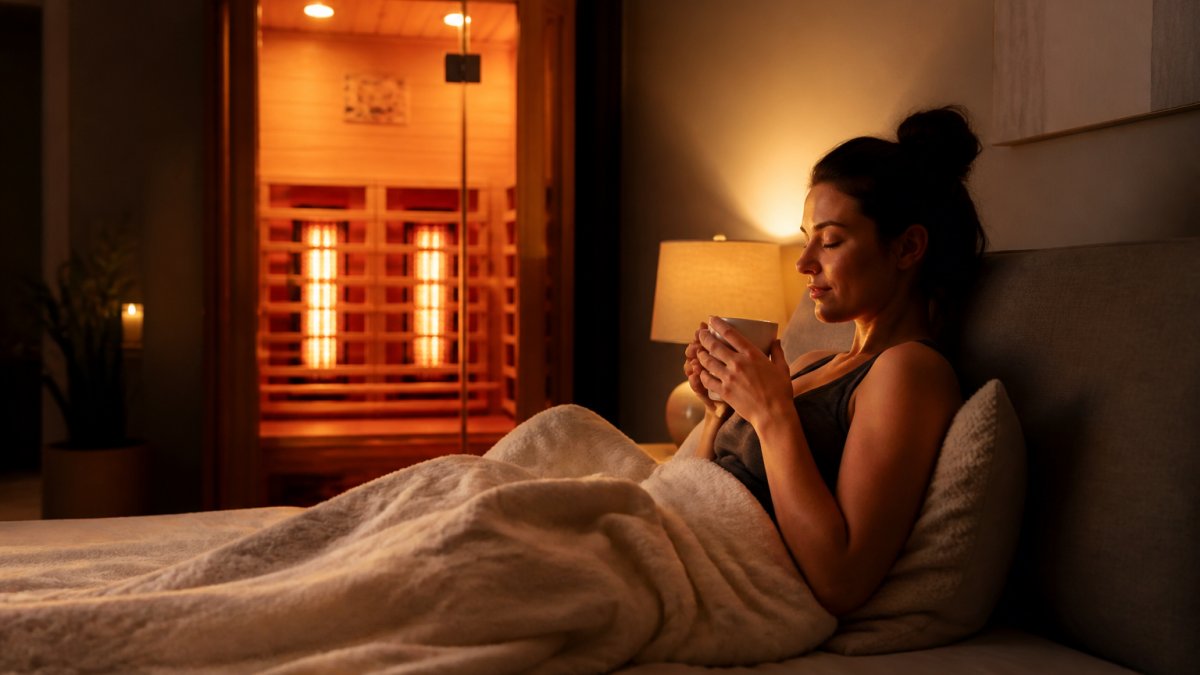
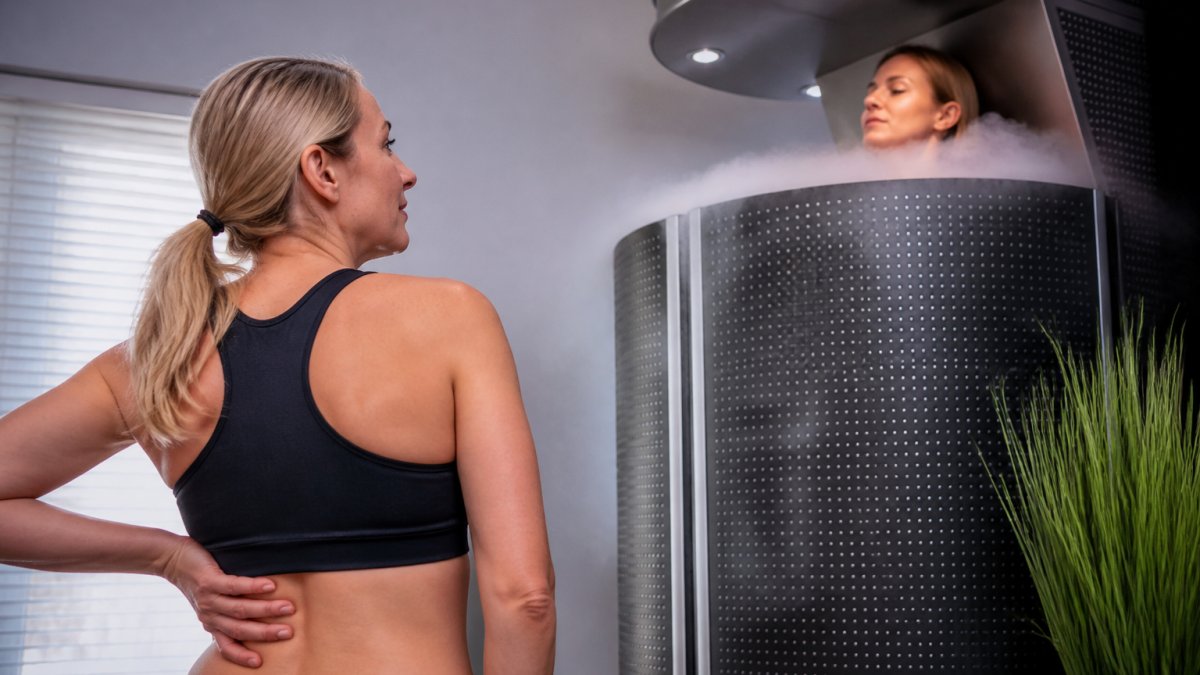
Float therapy offers a unique, evidence-based approach to managing anxiety by addressing the nervous system directly, something that talk therapy and medication alone often miss. The challenge is consistency, but the payoff is a calmer baseline and a body that holds less tension. At FloatWell, we support this process with a full suite of recovery services, including float therapy, cryotherapy, and infrared saunas, and we accept HSA cards for eligible treatments. If you are ready to experience how deep relaxation can change your relationship with stress, book an appointment and start your path toward nervous system regulation.
Frequently Asked Questions
How often should you do float therapy to manage anxiety?
For acute anxiety relief, a single session can provide immediate calming effects that last for days. For long-term management, research suggests that a consistent schedule, such as one to two sessions per week over several weeks, may be more effective at retraining your nervous system's stress response. Many people find that a monthly maintenance float helps sustain the benefits. Start with a few sessions close together to see how your body responds, then adjust the frequency based on your anxiety levels and budget.
Who should avoid float therapy?
Float therapy is generally safe, but you should avoid it if you have uncontrolled epilepsy, open wounds, severe skin conditions, or contagious illnesses. People with claustrophobia or certain mental health conditions should consult their doctor first. Float therapy contraindications also include being under the influence of drugs or alcohol. If you have kidney disease or are on specific medications that affect fluid balance, discuss the risks with your physician before booking a session.
How do you feel after float therapy?
Most people report feeling deeply relaxed, mentally clear, and physically weightless after a session. The reduction in sensory input allows your parasympathetic nervous system to take over, lowering cortisol levels and easing muscle tension. This often leads to a sense of calm that persists for hours or even days. You might feel sleepy or have a slight headache if dehydrated, so drinking water afterward is important. Many also experience a noticeable improvement in sleep quality the night after floating.
Is float therapy considered a clinical treatment for anxiety disorders?
Float therapy is not currently considered a first-line clinical treatment like cognitive behavioral therapy or medication. However, it is recognized as a promising evidence-based complementary therapy. Clinical research has demonstrated its effectiveness in significantly reducing anxiety symptoms and stress, with some studies showing benefits comparable to other relaxation techniques. It is best used as part of a broader anxiety management plan, not as a replacement for professional care. Always discuss new therapies with your healthcare provider.
Book an Appointment

Comments