Infrared Sauna Detoxification Process Explained for Beginners

Table of Contents
How Infrared Sauna Detoxification Works: Heat, Sweat, and Your Body
Far Infrared vs. Near Infrared: Tissue Penetration and Sweat Glands
How Long Should I Use an Infrared Sauna? A Beginner's Session Timeline
The 200 Rule for Sauna Sessions, Explained
Preparing for an Infrared Sauna Session: What to Do Before You Sweat
Infrared Sauna Health Benefits for Recovery: What the Evidence Supports
Heavy Metals, Environmental Pollutants, and What Sweat Can (and Cannot) Remove
After the Session: Hydration, Electrolytes, and Post-Sauna Recovery
What You Actually Lose
A Concrete Replenishment Sequence
Why Post-Sauna Nutrient Replenishment Matters More Than Most Guides Admit
Other Post-Session Steps
Common Mistakes Beginners Make (and How to Avoid Them)
Frequently Asked Questions
Last Updated: September 26, 2026
How Infrared Sauna Detoxification Works: Heat, Sweat, and Your Body
[Infrared sauna detoxification](/treatments/infrared-sauna) is the process of using infrared light to raise your core body temperature, triggering sweat and supporting your body's natural elimination systems. At FloatWell, we explain it as a two-part process: heat does the work, and your circulatory system carries it out.
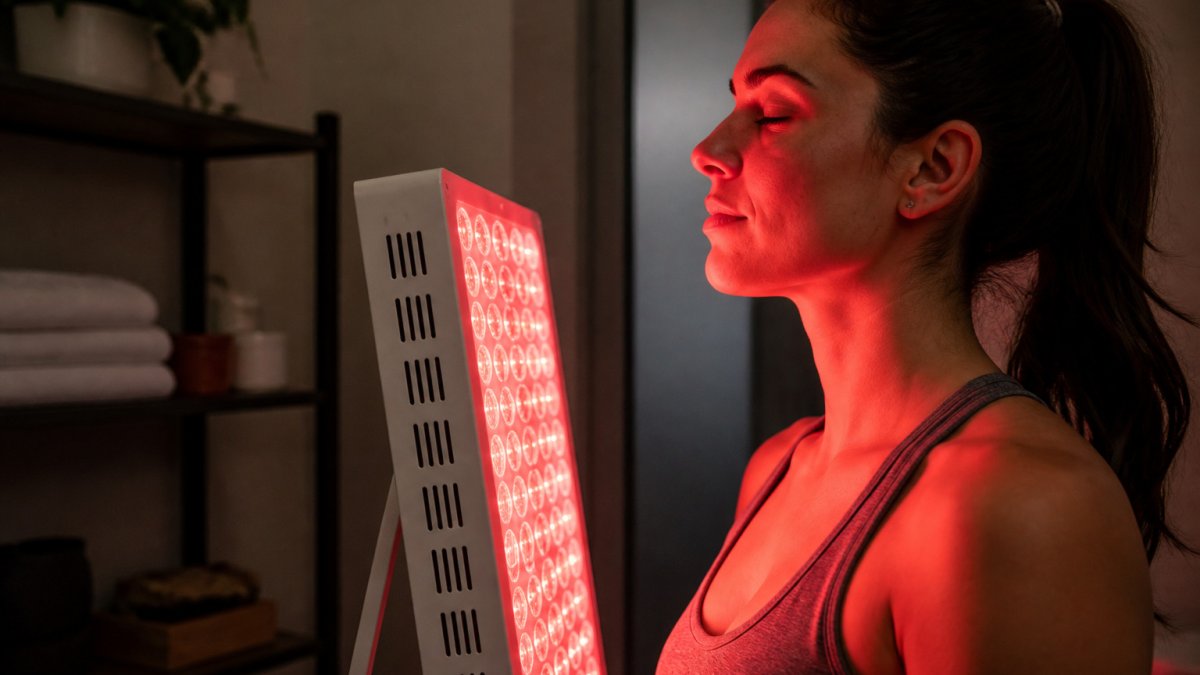
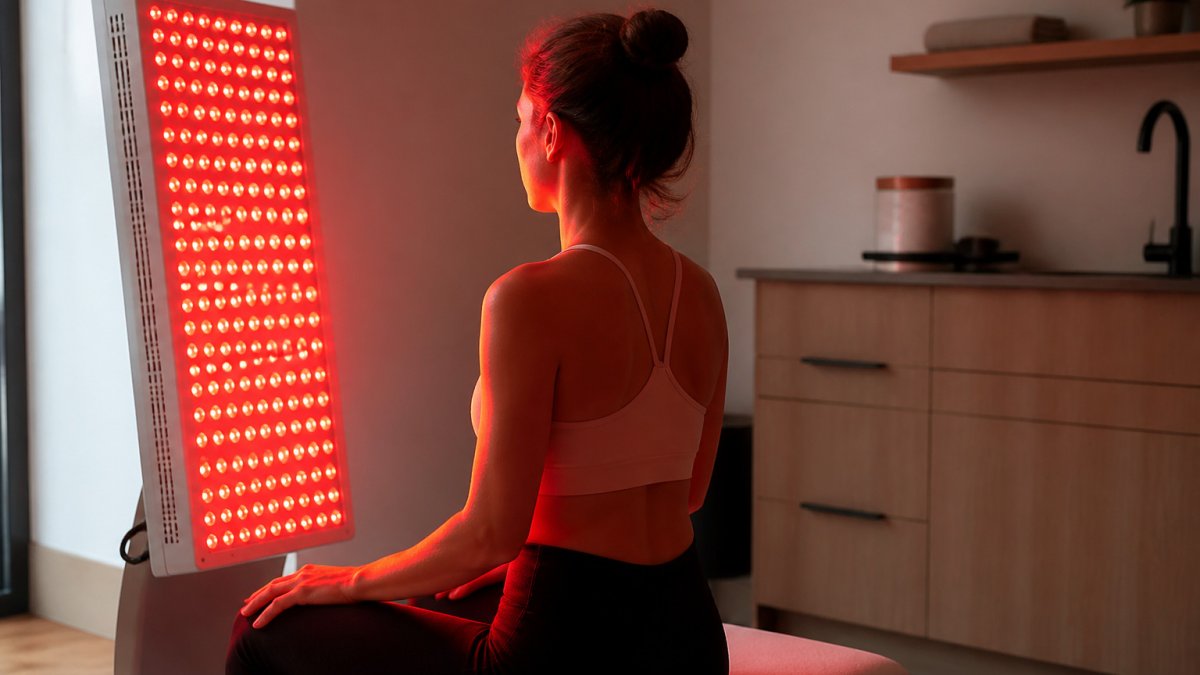
Here is what actually happens. Infrared panels emit light that your skin absorbs as heat. Unlike a traditional sauna, which heats the air around you, infrared warms your body directly. That warmth causes vasodilation, meaning your blood vessels widen.
Wider vessels mean better circulation. Your heart pumps faster, your metabolic rate rises, and your lymphatic drainage system gets a nudge. Sweat glands activate across your epidermal layer, pushing fluid to the surface.
The Cleveland Clinic overview of sauna health effects notes that sauna use raises heart rate and skin temperature in ways similar to light exercise.
That is the mechanism. The rest of this guide covers how long to stay in, how to prepare, and what to do after.
Far Infrared vs. Near Infrared: Tissue Penetration and Sweat Glands
Far infrared and near infrared differ mainly in how deep they reach. Far infrared waves penetrate the epidermal layer and warm tissue below the skin. Near infrared reaches shallower depths but is often used for skin health and surface-level benefits.
Most home and spa cabins combine both. The practical difference for beginners:
Far infrared: warms deeper tissue, drives core body temperature up, produces more sweat
Near infrared: targets the skin surface, sometimes paired with red light therapy for skin health
Combined units: deliver both, which is why they cost more
Tissue penetration matters because deeper heat triggers a stronger circulatory response. That response is what supports toxin mobilization and inflammation reduction.
Pro Tip If you are choosing a cabin, ask which wavelength it uses. A unit marketed as "full spectrum" should list far, mid, and near infrared. If the spec sheet only says "infrared," assume far infrared only.
How Long Should I Use an Infrared Sauna? A Beginner's Session Timeline
Beginners should start with 15 to 20 minutes per session at a lower temperature, then build to 30 to 40 minutes over several weeks. Longer is not better when you are new. Your body needs time to adapt to therapeutic heat.
Dr David Jockers
Here is a safe progression:
Week | Session Length | Frequency | Temperature |
Week 1-2 | 15-20 minutes | 2 times per week | Lower setting |
Week 3-4 | 20-30 minutes | 2-3 times per week | Moderate |
Week 5+ | 30-40 minutes | 3-4 times per week | Comfortable max |
Stop immediately if you feel dizzy, nauseated, or lightheaded. Those are signs you have pushed past your limit.
The 200 Rule for Sauna Sessions, Explained
The 200 Rule is a simple safety guideline: keep your session under 200 degrees Fahrenheit and under 20 minutes when you are new to infrared saunas. It gives beginners a clear starting point without guesswork.
Some practitioners extend it to mean 200 degrees for no more than 20 minutes. Either way, the principle holds. Heat stress adds up, and your tolerance builds slowly.
Preparing for an Infrared Sauna Session: What to Do Before You Sweat
Preparing for an infrared sauna session takes about 30 minutes and matters more than most people expect. Arrive hydrated, skip heavy meals, and bring what you need so you are not cutting the session short.

A simple pre-session checklist:
Drink 16 to 20 ounces of water in the hour before
Avoid alcohol and heavy meals for 2 hours prior
Bring two towels: one for the bench, one for after
Remove jewelry and metal accessories
Use the restroom first
Tell staff about any medications or health conditions
If you take prescription medication, talk to your doctor first. Some drugs affect how your body handles heat.
Infrared Sauna Health Benefits for Recovery: What the Evidence Supports
Infrared sauna health benefits for recovery center on circulation, muscle relaxation, and stress reduction. The evidence is strongest for cardiovascular support and perceived recovery. It is weaker for claims about dramatic toxin removal.
What holds up:
Improved blood flow and vasodilation
Reduced muscle soreness after exercise
Lower perceived stress and better sleep quality
Support for parasympathetic nervous system activity (Source: research on the physiological effects of heat therapy)
Heavy Metals, Environmental Pollutants, and What Sweat Can (and Cannot) Remove
Sweat does carry trace amounts of some heavy metals, but the amounts are small. Your liver and kidneys do most of the heavy lifting for eliminating toxins, microplastics, and endocrine disruptors.
After the Session: Hydration, Electrolytes, and Post-Sauna Recovery
Hydration and electrolytes are the two things beginners get wrong most often, and most guides stop at "drink water." That advice is incomplete. When you sweat heavily, you lose water and sodium together, and replacing only the water dilutes what sodium remains in your bloodstream. The result is the flat, headachy, slightly nauseated feeling people blame on the sauna itself.
What You Actually Lose
Sweat is mostly water, but it carries dissolved sodium, chloride, potassium, and smaller amounts of magnesium and calcium. The concentration varies by person, diet, and how much you sweat. A common pattern is that heavy sweaters lose more sodium per liter than light sweaters, which is why two people can do the same session and feel completely different afterward.
A Concrete Replenishment Sequence
First 10 minutes after you exit: Drink 8 to 12 ounces of water with electrolytes. A pinch of salt in water, a commercial electrolyte packet, or a sports drink all work. Plain water alone is the one option to avoid if you sweated heavily.
Why Post-Sauna Nutrient Replenishment Matters More Than Most Guides Admit
Most articles cover pre-sauna prep in detail and treat aftercare as an afterthought. That ordering is backwards for beginners. The session is the stress; recovery is where adaptation happens. If you finish a session depleted and stay depleted, you feel worse the next day and conclude infrared saunas are not for you.
Other Post-Session Steps
Take a lukewarm shower, not a cold one, to ease the cool-down period
Rest for 10 to 15 minutes before driving or exercising
Skip alcohol for the rest of the day, it worsens dehydration and disrupts sleep
Replenish with a real meal within a couple of hours if you saunaed around mealtime
Watch Out Do not jump straight into a cold plunge after a long infrared session. Rapid temperature shifts can cause dizziness or fainting, especially for beginners. Cool down gradually, and hydrate before you consider any cold exposure.
If you feel lightheaded, nauseated, or unusually fatigued more than an hour after your session, you likely under-replaced fluid and sodium. Sit down, drink an electrolyte solution, and eat something salty. If symptoms persist or worsen, seek medical attention.
Common Mistakes Beginners Make (and How to Avoid Them)
Other mistakes worth avoiding:
Skipping hydration before and after
Staying in past the point of comfort
Ignoring contraindications like pregnancy, heart conditions, or certain medications
Using a sauna right after a heavy meal or alcohol
Never cleaning the cabin between sessions
Key Takeaway Start with 15 minutes, hydrate before and after, and build up slowly. The people who get the most from infrared saunas are the ones who treat it as a routine, not a challenge.
If you are recovering from a car accident, an athletic injury, or chronic tension, a guided protocol beats guessing. FloatWell offers infrared sauna sessions alongside float therapy, cryotherapy, and red light therapy, all under one roof. We accept HSA cards and bill MVA insurance for car accident recovery, so cost does not have to be the barrier.
Frequently Asked Questions
Do infrared saunas actually detox the body?
Sweat does carry small amounts of heavy metals and environmental pollutants, but the liver and kidneys do most of the body's detoxification work. Infrared sauna detoxification supports that process by raising core body temperature, increasing blood flow, and triggering sweat glands. Think of it as one supportive tool, not a stand-alone cleanse. A qualified healthcare provider can help you set realistic expectations based on your health history.
How long should a beginner stay in an infrared sauna for detox?
Start with 15 to 20 minutes per session at a moderate temperature. Once you tolerate that comfortably, you can build toward 30 to 40 minutes. The 200 rule (200 degrees Fahrenheit for 20 minutes, or a lower temperature for longer) is a useful guide for traditional saunas, but infrared cabins usually run cooler. Stop immediately if you feel dizzy, nauseated, or lightheaded.
What should you do before and after an infrared sauna session?
Before: hydrate with 16 to 20 ounces of water, avoid alcohol, and skip heavy meals for an hour. Bring a towel and loose clothing. After: cool down gradually, drink water with electrolytes to replace sodium and potassium lost through sweat, and wait at least 30 minutes before showering so your core body temperature can settle. A lukewarm rinse is gentler than a cold shower right after.
Are there specific health precautions for infrared sauna use?
Infrared saunas are generally well tolerated, but they are not right for everyone. If you are pregnant, take blood pressure or heart medications, have cardiovascular disease, or are under a doctor's care for a chronic condition, talk to your healthcare provider first. Never combine sauna use with alcohol. Stop the session if you feel faint, and always listen to your body over any fixed protocol.
Infrared sauna detoxification is a support tool, not a magic fix. It works best when you pair it with hydration, good sleep, and a plan tailored to your body. FloatWell builds that plan around your goals, whether you are recovering from an injury, managing stress, or simply looking for better sleep. Book an appointment with FloatWell and get a session protocol matched to your needs, with HSA card acceptance and MVA insurance billing available.
Book an Appointment

Comments