7 Truths About Float Therapy for Deep Meditation

Last Updated: October 29, 2026
Quick Summary
Float therapy can make deep meditation easier to reach, but it does not meditate for you. A 2025 systematic review reports that flotation therapy promotes deep relaxation and may hold promise for mental health conditions such as anxiety, though walking through the practice is still your job.
A float tank removes gravity, sound, and light, cutting the constant stream of physical input your brain processes all day.
Meditation trains attention over time, while float therapy removes distraction for a set period.
New to meditation? Start with a guided track for your first one or two sessions.
A 2024 study in Scientific Reports found floatation-REST induced certain facets of altered states of consciousness among healthy individuals.
A review by K. Tran and colleagues found no evidence-based guidelines recommending flotation therapy for treating mental health conditions.
Table of Contents
Float Therapy vs Meditation: Where the Two Practices Diverge
How to Meditate While Floating Without Chasing the Experience
Guided Meditation in a Float Tank: When a Voice Helps and When It Distracts
First Float Meditation Tips for People Who Have Never Tried It
What the Research Says About Depth of Relaxation and Altered States
What Float Therapy Actually Does to a Wandering Mind
Is float therapy effective for deep meditation? The honest answer is that float therapy can make deep meditation easier to reach, but it does not meditate for you. A 2025 systematic review reports that flotation therapy promotes deep relaxation and may hold promise for mental health conditions such as anxiety (systematic review of flotation-REST). Walking through it is still your job.
Here is the key distinction most people miss. A float tank removes gravity, sound, and light. That cuts the constant stream of physical input your brain processes all day.
What's left? Your own thoughts, and a body that finally feels weightless.
That combination creates conditions that resemble deep meditation. For a concrete walkthrough of what a float session is actually like, see our full article. It does not teach the skill of meditation. Think of it as a quiet room, not a teacher.
Float Therapy vs Meditation: Where the Two Practices Diverge
Float therapy and meditation overlap in outcome, not in method. Meditation is a practice you build over time. Float therapy is a session you book.
That difference matters more than most guides admit.
Meditation trains attention. You learn to notice distraction and return to focus, again and again.
Float therapy removes distraction for a set period. The environment does the work.
Meditation builds a skill you carry into daily life.
Float therapy delivers rest, and sometimes a glimpse of a meditative state.
A published opinion piece on floating argues that tanks can offer some benefits linked to meditation but do not teach a person how to reach that state on their own. That is fair.
How to Meditate While Floating Without Chasing the Experience
People may treat a float session as a performance test, expecting instant silence and judging themselves when thoughts show up.
Don't do that. Thoughts are normal. The water does not care.
Here is a simple approach:
Settle in for the first five minutes. Let your body adjust to the weightlessness. Don't try to meditate yet.
Pick one anchor. Your breath, or the faint sound of your heartbeat. Just one.
Expect drift. When you notice you've wandered, return to the anchor. No commentary needed.
Drop the goal. If you spend the session simply resting, that still counts.

Maintaining this state of detached observation within the tank serves as a powerful foundation for integrating
into the rhythm of your daily focus.
Chasing a profound experience can make a session frustrating. For practical tips on how to maximize results from float therapy, see our guide. The harder you reach for depth, the further it moves.
Guided Meditation in a Float Tank: When a Voice Helps and When It Distracts
Guided meditation in a float tank works well for some people and backfires for others. The dividing line is experience level.
If you have never meditated, a recorded voice can help. It gives your attention somewhere to land. A calm guide walking you through breath and body awareness removes the "what do I do now" problem.
If you meditate regularly, the voice often becomes noise. Experienced meditators tend to prefer silence, and the tank already delivers that.
A simple rule:
New to meditation? Start with a guided track for your first one or two sessions.
Comfortable with silence? Skip the audio entirely.
Unsure? Try half the session guided, half in silence.
The goal is a tool that helps, not a crutch that distracts.
The right audio choice depends on how much meditation experience you bring into the tank.
Experience level | Recommendation | Why |
New to meditation | Guided track for first one or two sessions | Gives attention somewhere to land |
Comfortable with silence | Skip the audio entirely | Voice often becomes noise |
Unsure | Half guided, half silent | Tests the tool without committing |
First Float Meditation Tips for People Who Have Never Tried It
First float meditation tips come down to preparation and expectations.
A few things worth knowing before you step in:
Eat light beforehand. A heavy meal sits badly when you're horizontal for an hour.
Skip caffeine right before. It works against the whole point.
Use the lid however you like. Many tanks let you leave it open. Claustrophobia is common and manageable.
Arrive a few minutes early. Rushing in defeats the purpose.
The dark and the quiet make some people nervous. If that sounds like you, learn how to overcome claustrophobia in a float tank. That reaction is normal.
What the Research Says About Depth of Relaxation and Altered States
The research supports relaxation and altered states, but not clinical claims. A 2024 study in Scientific Reports found that floatation-REST induced certain facets of altered states of consciousness among healthy individuals (Floatation-REST altered states study).
Here is the caveat that matters. A review by K. Tran and colleagues found no evidence-based guidelines recommending flotation therapy for treating mental health conditions (review of flotation therapy for mental health). So treat float therapy as a wellness tool, not a treatment.
If you are managing a health condition, talk to a qualified professional before adding float sessions to your routine.
Booking Your First Float Meditation Session
Choose a session length that matches your comfort level, then schedule a time when you won't be rushing. Our complete guide to booking float therapy walks you through choosing a session length and scheduling your first float. You can review FloatWell's pricing before committing.
Before a session, consider three things:
Session length. Longer sessions suit people who settle slowly. Shorter ones work for a first try.
Guided or silent. Pick based on your meditation experience.
Your goal. Rest, recovery, or a meditation boost. Each shapes how you use the time.
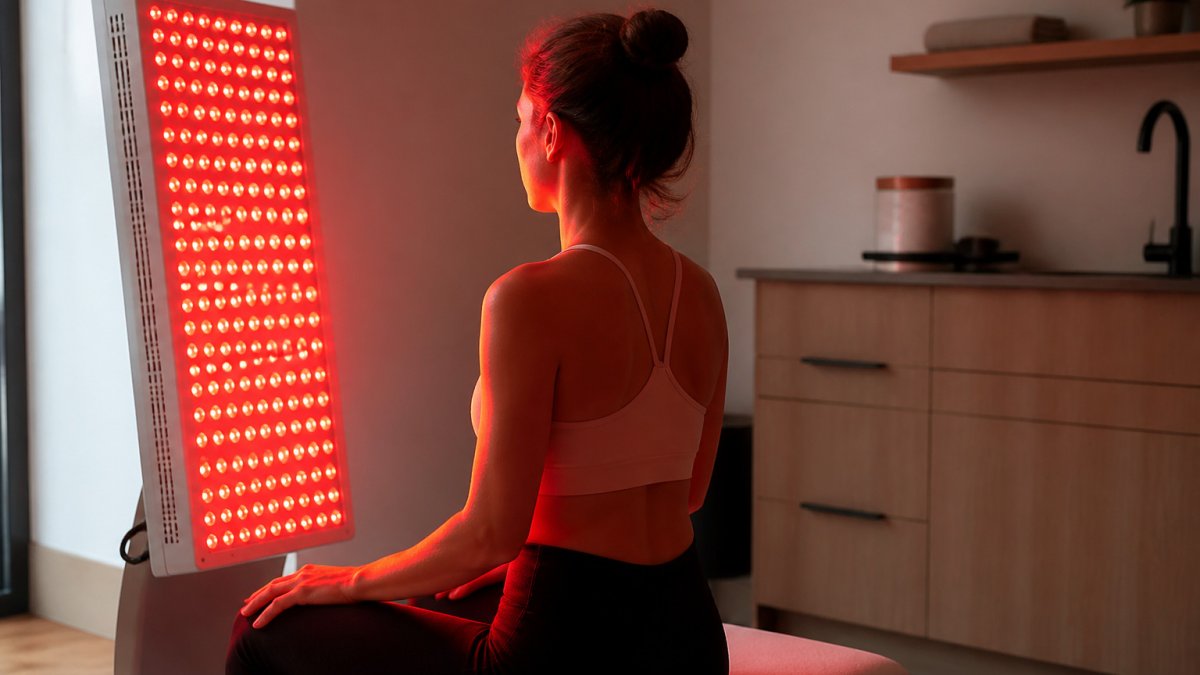
At FloatWell, we offer float therapy alongside cryotherapy, infrared saunas, and red light therapy. We also accept HSA cards and bill MVA insurance for those recovering from car accidents.
Frequently Asked Questions
Can you meditate in a float tank?
A 2024 study in Scientific Reports found that floating induced facets of altered states of consciousness in healthy individuals. Floating creates conditions for meditation rather than teaching the skill itself.
Does float therapy help you reach a deeper meditative state than sitting practice?
A 2025 systematic review in PubMed Central reported that float therapy promotes deep relaxation and may hold promise for anxiety. However, a 2021 review found no evidence-based guidelines for using flotation to treat mental health conditions, so treat depth as a personal experience rather than a guaranteed outcome.
What should you focus on while floating for meditation?
Avoid chasing stillness or judging the session. If you are new, give yourself permission to simply rest.
Should you use guided meditation in a float tank?
It depends on your experience. Guided meditation in a float tank can help beginners who feel lost in silence, and a calm voice can anchor attention during the first 10 to 15 minutes. Experienced meditators often find narration distracting once they settle. If you use a guide, choose one with long pauses and no background music, and decide before you enter whether you will follow it for the full session or only the opening minutes.
Ready to see what a float session does for your mind? At FloatWell, we pair float therapy with cryotherapy, infrared saunas, and red light therapy to support whole-body recovery. We accept HSA cards and bill MVA insurance for car accident recovery. Get started with FloatWell and book your first float meditation session today.


Comments